New Dentures: Fit, Eating and Daily Care
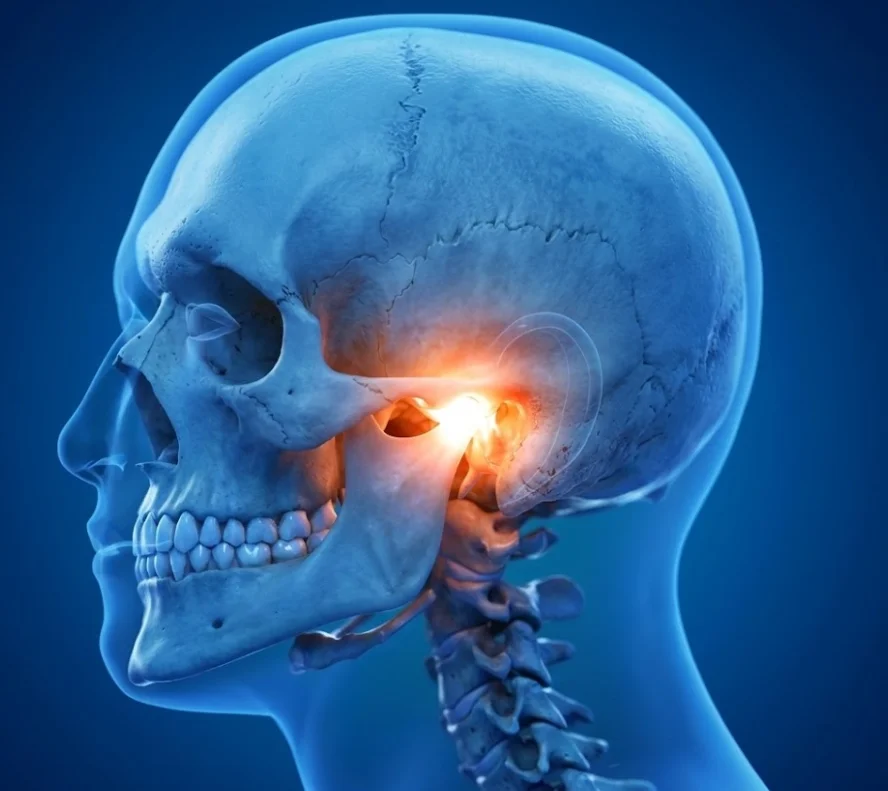
New dentures can feel strange at first. They may seem bulky or loose, cause a few sore spots and make you produce more saliva. Follow-up visits are part of the process: your dentist checks the fit and eases sore areas. Clean your dentures every day, follow your dentist's advice on wearing them at night, and get them checked if pain, slipping, clicking or damage does not settle.
What do new dentures feel like at first?
Dentures replace missing teeth and can help with eating, speaking and appearance (American Dental Association: dentures). But a new denture is something your mouth has to get used to. In the early days a denture may:
- feel large, bulky or strange
- feel a little loose
- rub and cause sore spots
- make your mouth produce more saliva
Problems that carry on are not something to put up with, and they need to be checked.
Complete and partial dentures: what is different
A complete denture replaces all the teeth in an upper or lower jaw. A conventional complete denture rests on the gums that cover the jawbone.
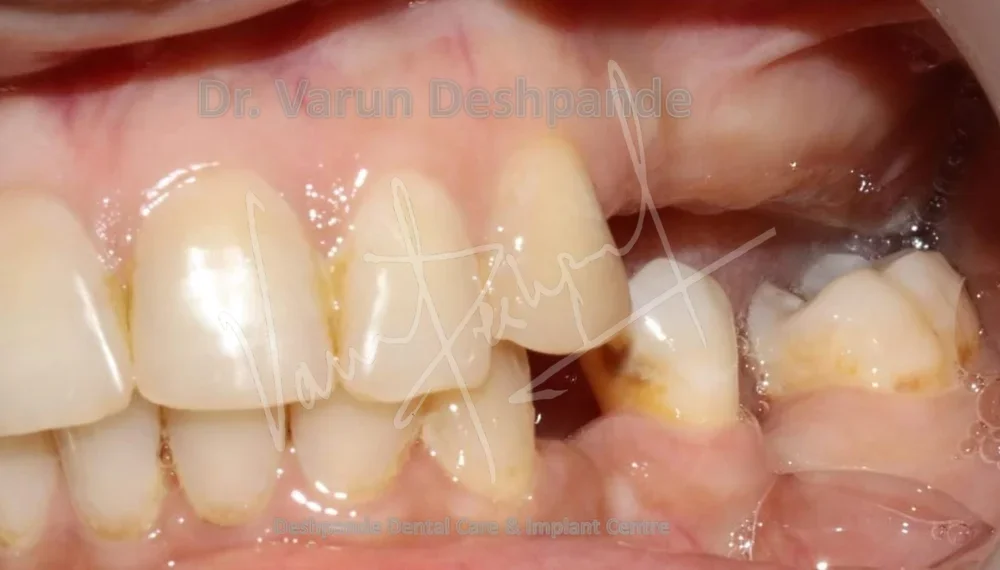
A partial denture replaces one or more missing teeth while some natural teeth remain. A pink base can replace some of the missing gum shape as well as the teeth. Partial dentures that hold on with clasps (small arms that grip natural teeth) may show the clasps when you smile, depending on where they sit.
Putting a partial denture in and taking it out takes practice. Follow the path your dentist shows you, and do not bite it into place, as that can bend or break the clasps (American Dental Association: partial dentures).
BPS dentures vs normal dentures: what is the difference?
BPS is short for Biofunctional Prosthetic System, Ivoclar's branded workflow for making conventional removable dentures (Ivoclar: removable prosthetics and the BPS workflow). So a BPS denture is not a different type of denture from a "normal" one: it is still a conventional removable denture, and the name tells you which step-by-step making process was followed.
Ivoclar lists the early stages as a preliminary bite registration (a first record of how your jaws meet) and a functional impression (a mould of your mouth). These are followed by registration, setting up the artificial teeth, a try-in in your mouth and finishing the denture. The actual records and impression methods depend on your mouth, and this list does not set how many appointments you need or how long it takes.
What the BPS name does not tell you:
- whether the denture is held by implants (BPS is not an implant attachment)
- it does not mean one particular denture material
- on its own, it does not show that a denture will hold better, feel better or last longer than another denture
How any denture fits and works still depends on your mouth, and follow-up adjustments are still part of the process. BPS dentures are one of the denture options at Deshpande Dental, so you can ask Dr. Varun Deshpande whether this workflow suits your case.
The first days and follow-up visits
Dentures are made after your mouth is assessed and impressions or scans are taken, and making and fitting them commonly involves separate appointments.
With a new partial denture, your dentist may ask you to keep it in continuously for a short time at first, so that pressure areas show up and can be adjusted. After that, the advice about removing it at night may change. Always follow the wear plan your own dentist gives you.
Follow-up appointments check the fit and adjust any areas that are rubbing. Do not file, bend or reshape your denture yourself, even if a spot is sore, and do not try to repair it at home.
Eating with new dentures
Dentures can help you eat, but they do not work the same way as natural teeth, and early looseness or sore spots can make chewing harder at first. Ask your dentist what to eat while you adapt, and do not assume a new denture will manage every hard food. If eating stays difficult, tell your dentist: a denture that does not fit well, or one that is not kept clean, can lead to soreness, infection or trouble eating (NHS: dentures). A fit problem is something the dentist can assess, rather than something to work around on your own.
Daily care for your dentures and mouth
- Brush the denture every day with a soft brush and a non-abrasive denture cleanser, to remove plaque.
- Clean it over a bowl of water or a folded towel, so it is less likely to break if you drop it.
- Avoid very hot water and strong bleach, which can damage some denture materials. Use the cleaning method suited to your type of denture.
- Clean your gums and tongue, even if you have no natural teeth left.
- With a partial denture, clean your natural teeth separately every day, as they still need their own care.
Whitening products for natural teeth do not whiten denture plastic, so talk to your dentist if the colour of your denture bothers you.
Should I take my dentures out at night?
Generally, yes. Taking removable dentures out while you sleep generally gives the gums and supporting tissues a rest. The exception is when your dentist has given you different instructions, for example during the first days with a new partial denture or after a recent extraction.
When to go back to your dentist
| What you notice | What to do |
|---|---|
| Bulky feeling, extra saliva, mild looseness in the first days | Can happen at first; mention it at your follow-up visit |
| Sore spots that keep rubbing | Book an adjustment; do not reshape the denture yourself |
| Pain, slipping or clicking | Arrange a denture check |
| A crack, chip or break | Have it professionally repaired, and the fit rechecked |
| A denture that has gradually become loose | Have the fit assessed; a reline may help in some cases |
A reline refits the side of the denture that rests on your gums when the fit has worn. Not every loose denture is suitable for relining. How long a denture lasts depends on wear, fit and changes in your mouth over time, so there is no fixed replacement date that applies to everyone.
What if my complete denture never feels secure?
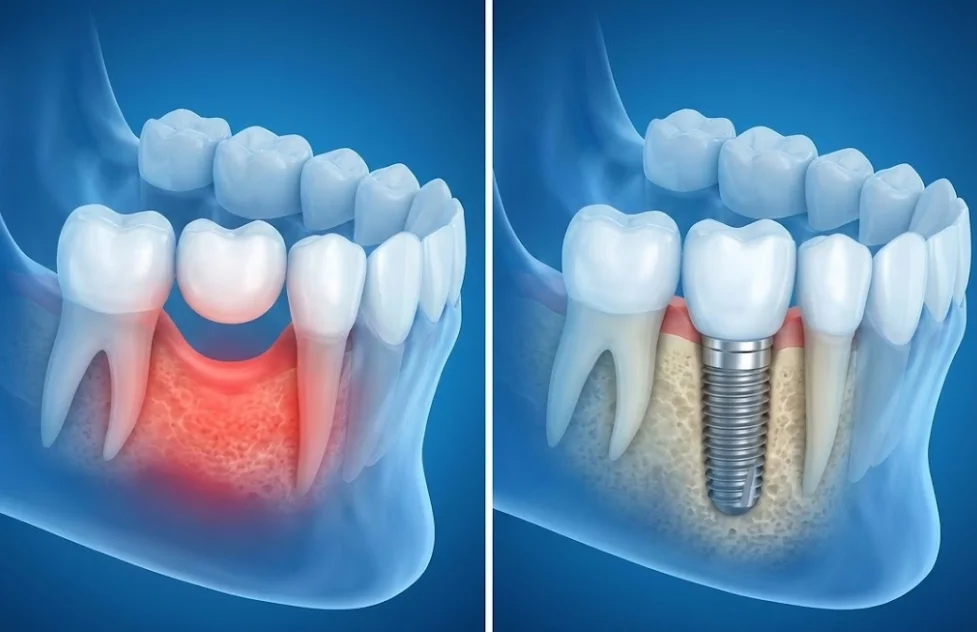
For some people, attaching a complete denture to dental implants can make it hold in place better. This needs a separate assessment of whether implants are suitable, and how and when they would be placed. For partial dentures, a fixed bridge or implants can sometimes be alternatives, depending on your situation. Our page on dental implants explains more.
Denture care in Solapur
At Deshpande Dental in Solapur, Dr. Varun Deshpande, a prosthodontist, plans, fits and adjusts complete and partial dentures. Read more about dentures, or book a visit at one of our Solapur clinics if your new denture needs checking.