Root Canal Treatment
Root canal treatment removes diseased tissue from inside a tooth, then cleans, fills and seals its canals, so a tooth that can still be restored can be kept rather than taken out. At Deshpande Dental, root canal treatment in Solapur is one of the main services of Dr Rucha Deshpande, an MDS endodontist (a dentist trained in root canal treatment) and conservative dentist, and it starts with an honest check of whether your tooth can be saved.
Reviewed by Dr. Rucha Deshpande, MDS, .
Does root canal treatment hurt?
This is the question most people ask first, so here is the straight answer.
During treatment: the tooth is usually numbed with a local anaesthetic before any work starts. If you feel pain at any point, say so straight away.
Afterwards: mild soreness or tenderness can occur for a few days and should gradually improve. Pain that is severe, getting worse or not settling is not something to put up with; it needs a prompt check.
It also helps to know what happens if an infected tooth is left alone. Untreated infection of the pulp (the soft tissue inside the tooth) can cause pain or an abscess, which is a dental infection. The American Association of Endodontists explains root canal treatment and recovery.
Signs a tooth may need root canal treatment
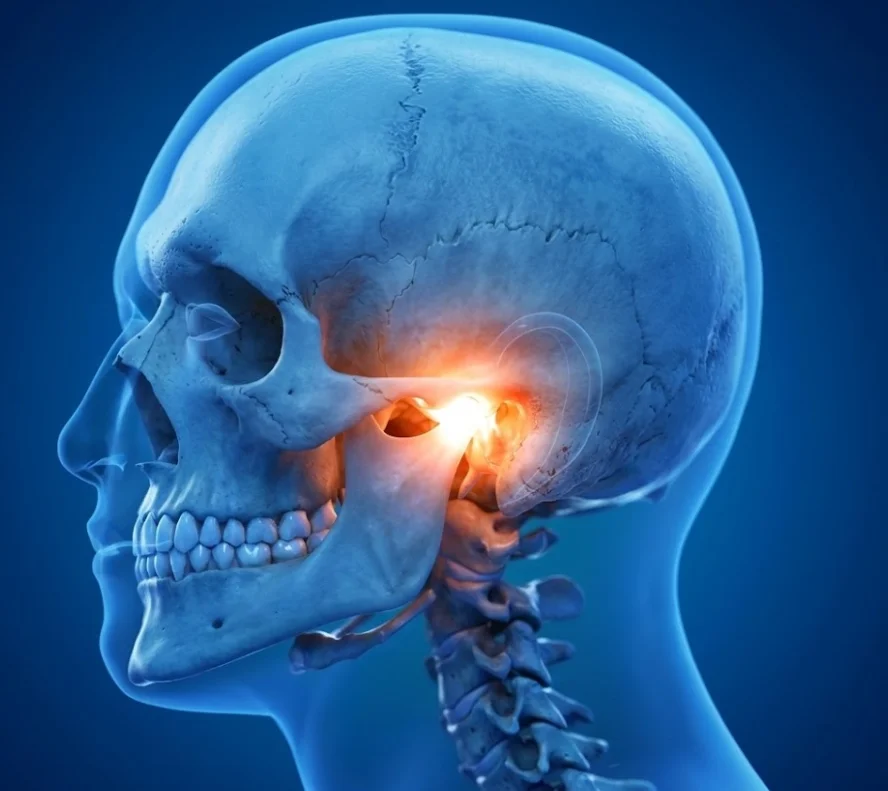
Deep decay can let bacteria reach and infect the pulp. A crack, repeated dental work on the same tooth or an injury can also damage it. Signs that can go with pulp problems include:
- pain when you bite
- sensitivity to hot or cold that lingers
- swelling of the gum near the tooth
These signs do not prove that you need a root canal, and neither does toothache or a crack on its own. The diagnosis comes from examining the tooth and taking a dental X-ray.
Why choose Deshpande Dental for root canal treatment in Solapur
- An MDS-qualified dentist for root canal treatment. Root canal treatment is one of the main services of Dr Rucha Deshpande, whose MDS is in Conservative Dentistry and Endodontics.
- Imaging matched to the need. Assessment includes a dental X-ray, and the clinic has an in-house CBCT 3D scanner that is used where needed, not for every patient.
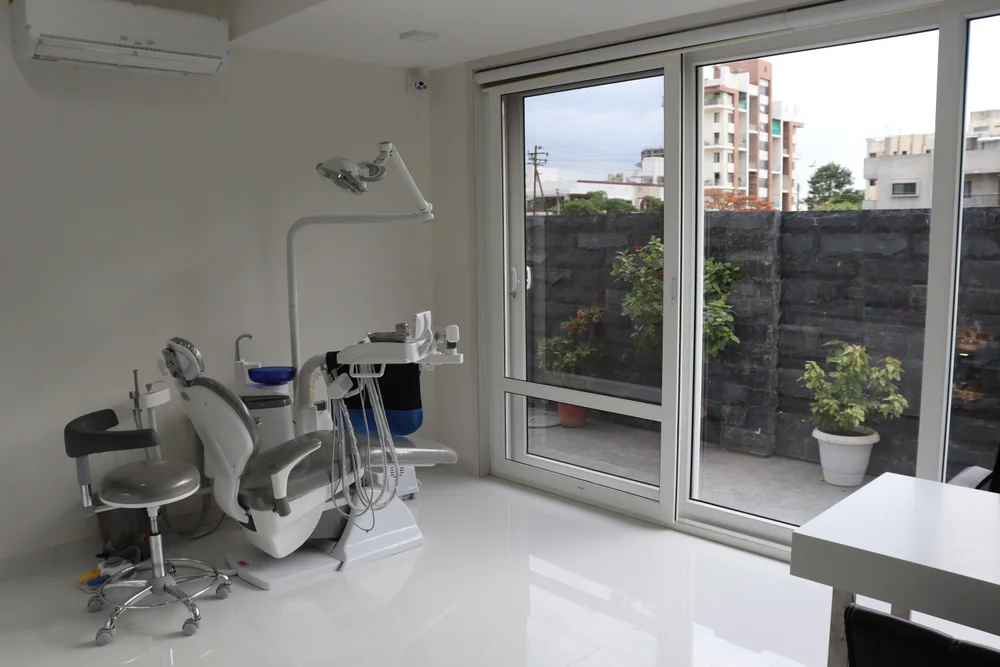
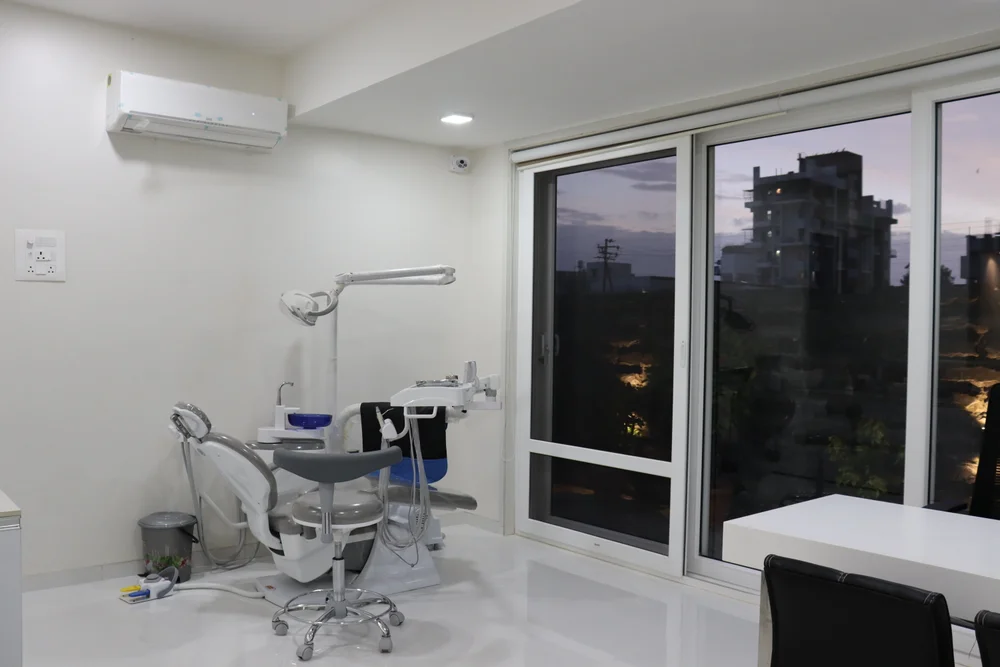
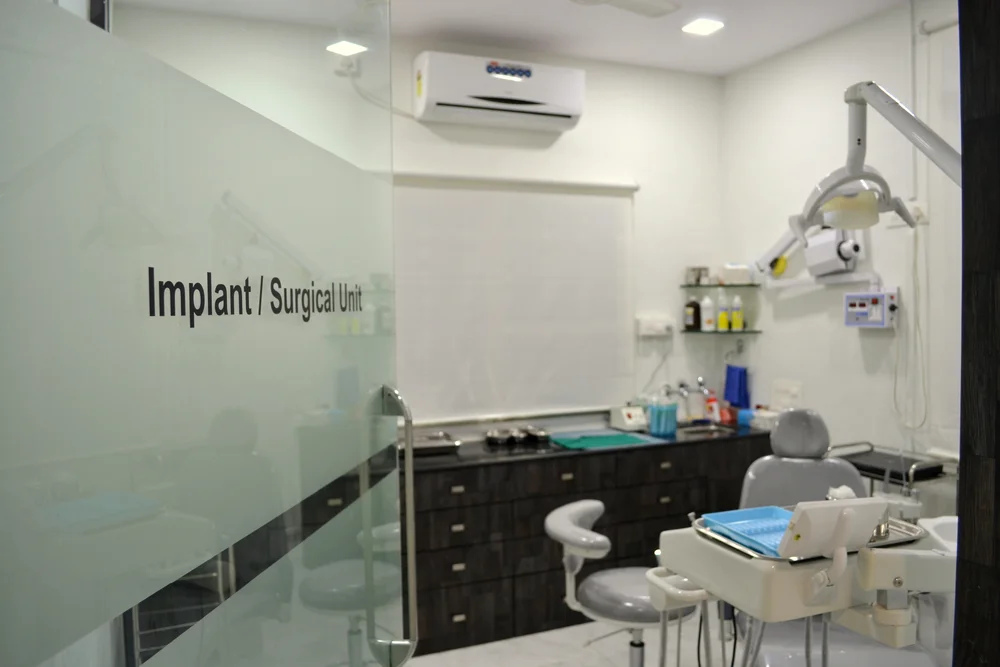
- Local and established. Deshpande Dental has cared for patients in Solapur since 2014, with three clinics in the city: Civil Chowk, Antrolikar Nagar and Jule Solapur.
Saving the tooth or removing it: how the choice is made
Root canal treatment may be considered when the pulp is inflamed or infected and the tooth can still be restored. A fully developed adult tooth can keep working without a living pulp, because the tissues around it continue to nourish it. That is why removing the pulp does not mean losing the tooth.
Saving a tooth is not always possible. A severe root fracture, too little bone support or too little tooth left to rebuild can prevent it. When a tooth has caused an abscess, it may need either root canal treatment or removal, and the diagnosis and how much of the tooth can be restored decide which. If removal turns out to be the better route, you can ask about ways to replace the tooth, such as dental implants.
What happens during root canal treatment
- Assessment: the tooth is examined and a dental X-ray is taken.
- Numbing: a local anaesthetic is usually used.
- Keeping the tooth dry: a thin protective sheet called a dental dam keeps saliva away from the tooth.
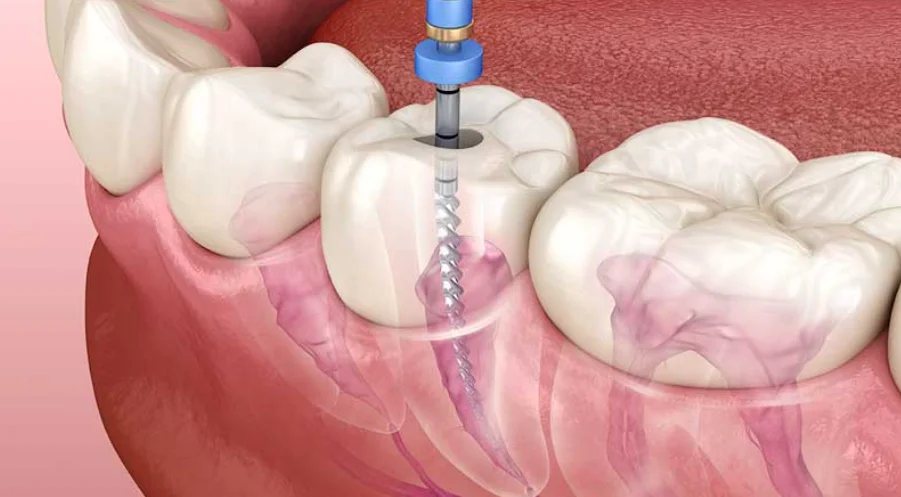
- Cleaning: the diseased pulp is removed, and the canals inside the root can be cleaned and shaped using hand or powered instruments with cleaning solutions.
- Sealing: the canals are filled, commonly with a material called gutta-percha and a sealer.
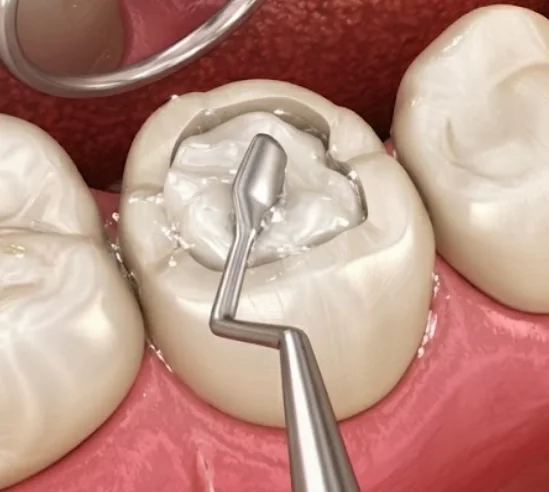
- Rebuilding: the tooth then needs a final filling or crown (often called a cap), chosen according to how much tooth remains.
One visit or more? In single-visit treatment, the canal treatment is finished in one appointment, although the final filling or crown may need another. Other teeth are treated over two or more appointments, with a temporary filling in between. The number of visits depends on your tooth. A temporary filling is not the final repair, so keep the appointments in your plan.
Recovery and caring for the tooth afterwards
- Until the final restoration is in place, avoid biting or chewing on the tooth, because a root-treated tooth without it can fracture.
- Keep brushing and cleaning as usual and follow the aftercare instructions you are given.
- Attend the follow-up appointments you are advised and your regular dental check-ups.
- Ask whether your tooth needs a tooth-coloured filling or a crown; this depends on how much tooth structure is left.
The NHS guide to root canal treatment covers recovery in more detail.
Can a root canal fail?
Yes. A treated tooth sometimes does not heal as expected or develops problems later. Further treatment may still save the tooth, for example by repeating the root canal treatment or, in selected cases, with surgery on the root. Extraction is an alternative, not an automatic outcome; a fresh assessment shows which options fit. Read the AAE guide to root canal retreatment.
When to seek urgent help
Contact a dentist urgently if you have new or increasing swelling or think you have a dental abscess, because an abscess does not reliably clear up without treatment. Severe, worsening or long-lasting pain after treatment also needs a prompt review.
Go to emergency medical care, not a routine appointment, if a dental infection comes with:
- difficulty breathing, speaking or swallowing
- major swelling in or around the mouth
- swelling or pain around the eye, or sudden changes in vision
- difficulty opening your mouth
These NHS dental abscess warning signs are very different from mild soreness after treatment.
Root canal treatment cost in Solapur: what affects it
The cost depends on the tooth and the plan, including how many appointments are needed, whether a 3D scan is required, and whether the tooth needs a filling or a crown (cap) afterwards. Ask for an estimate after your examination that covers both the root canal treatment and the final restoration.