Smile Design
Smile design is a planning process that starts with what you want to change about your smile and matches each concern to a suitable treatment, such as whitening, bonding or veneers. At Deshpande Dental, smile design in Solapur is led by our prosthodontist (a dentist specialising in restoring and replacing teeth), who checks your dental health first and explains how much each option would change your teeth before anything is decided.
Reviewed by Dr. Varun Deshpande, MDS, .
What is smile design, and is it right for you?
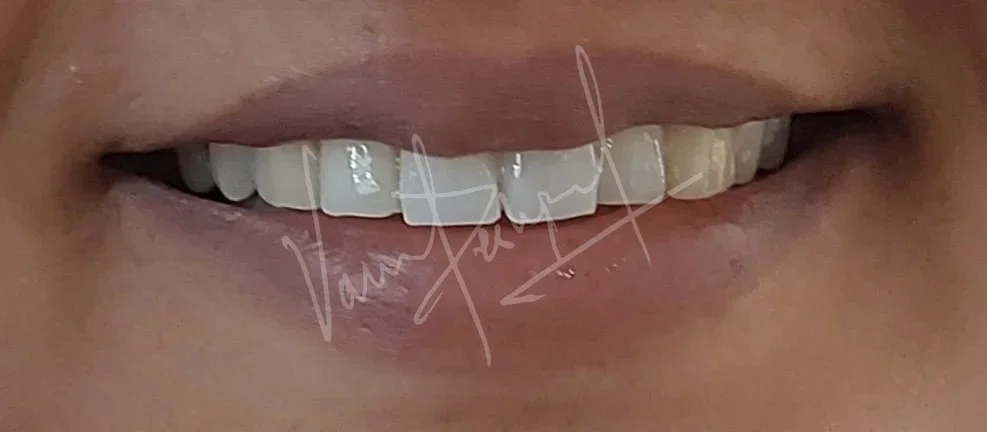
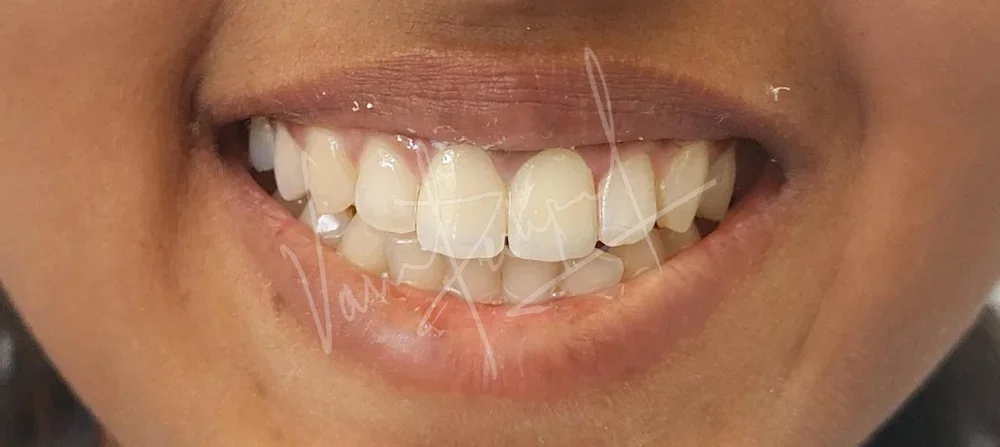
Smile design is a plan, not a single treatment. It starts with the specific things you want to change, such as tooth colour, a chipped edge, a gap or uneven shapes, and then works out which treatment can address each one (Cleveland Clinic: cosmetic dentistry). Cosmetic dentistry options can include whitening, bonding, veneers and reshaping of the teeth or gums. There is no fixed package; the plan is built around your concerns.
It is especially useful if you have more than one concern, or you are not sure which treatment fits. One rule stays the same throughout: appearance goals do not override dental health. Decay, gum problems or a deeper crack need attention first.
Matching each concern to a treatment
| Your concern | Options to discuss | What to know |
|---|---|---|
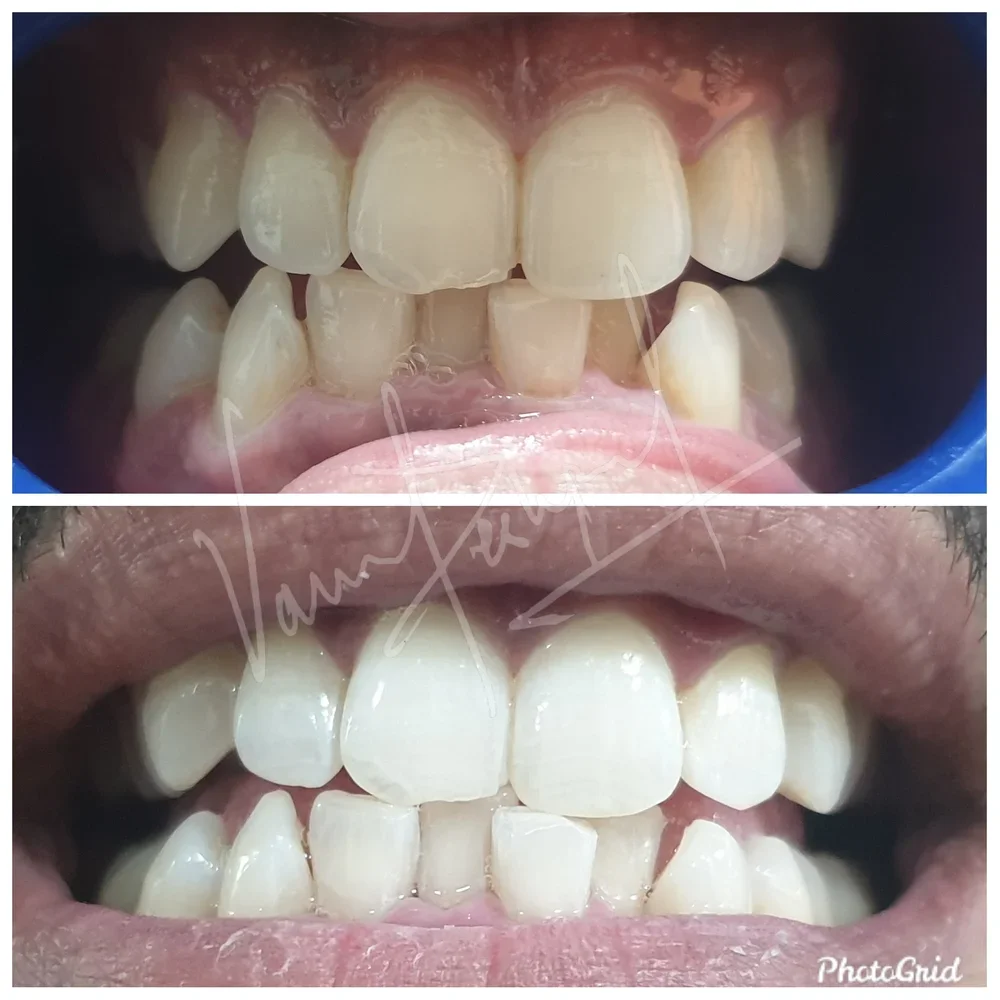
| Natural teeth stained or darker | Teeth whitening | Lightens natural teeth only; crowns, veneers and fillings do not bleach in the same way |
| A small chip or minor crack | Composite bonding (tooth-coloured resin added to the tooth) | A deeper fracture, pain or decay needs its own assessment first |
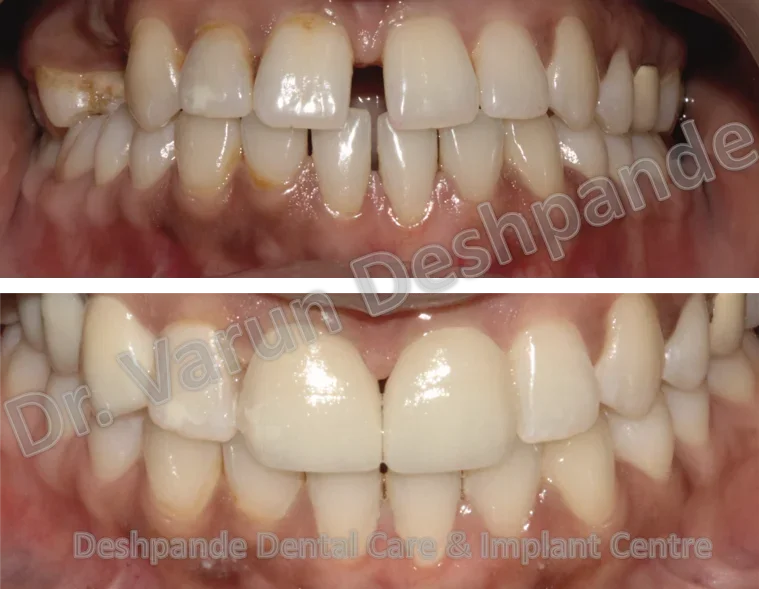
| Selected gaps between teeth | Bonding or veneers | Spacing, bite and gum health affect what is suitable |
| Tooth shape or size | Bonding, veneers or tooth reshaping | The right choice depends on the tooth and how much it needs to change |
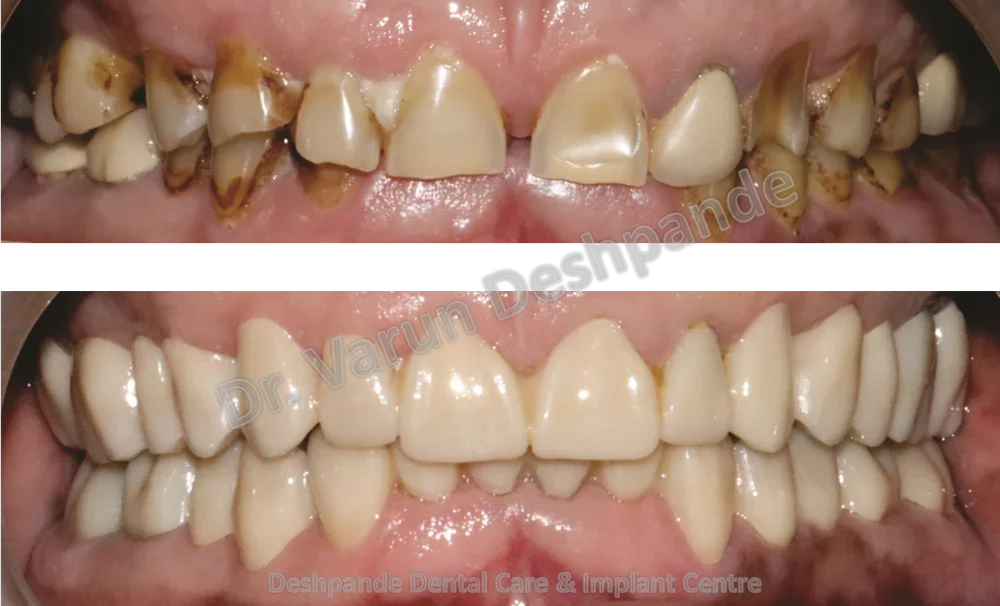
If teeth are badly broken down or missing, the plan may also involve crowns and bridges or full-mouth rehabilitation, which are explained on their own pages.
What planning tools can smile design use?
Planning can use a few practical tools described in published planning methods:
- Photographs with reference lines to show and discuss the proposed changes.
- Facial guides, relating the position of your teeth to the centre of your face and to how your lips move.
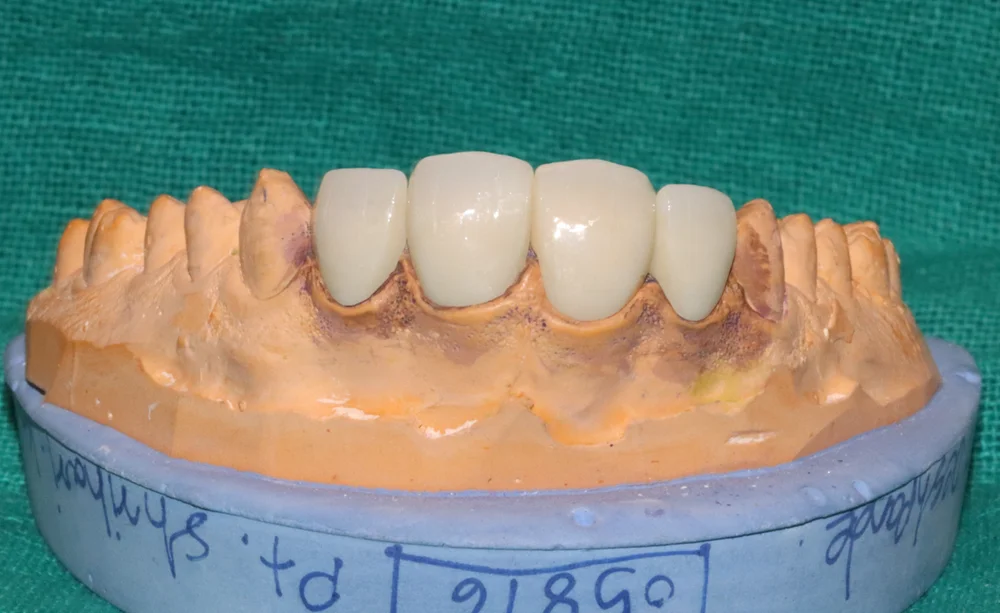
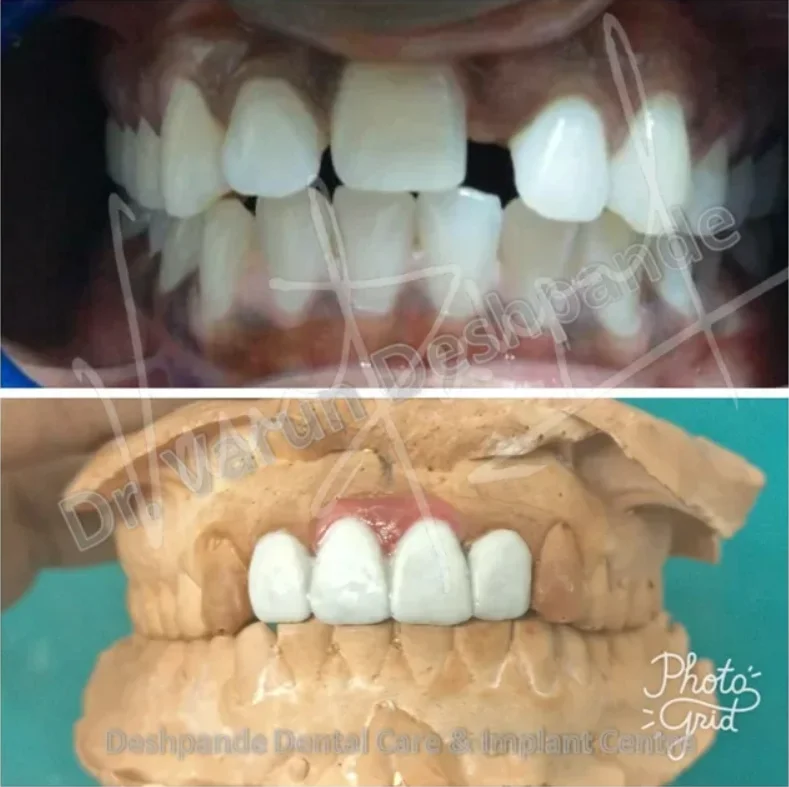
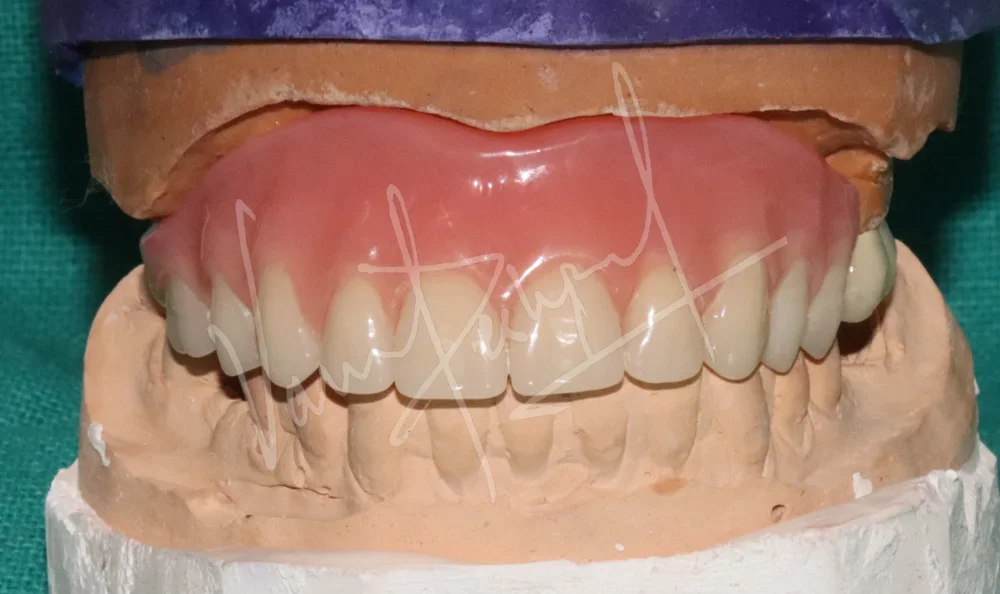
- A diagnostic wax-up, a model of the proposed tooth shapes built on a copy of your teeth.
- A mock-up or temporary restoration, so the proposed design can be tried in your mouth before final treatment.
One example is the published digital smile design planning method; ask your dentist which, if any, would be part of your plan. Where appropriate, Deshpande Dental's digital shade matching and intraoral scanner help record tooth colour and shape.
A preview helps you judge a design, but it is not a promise of the final result, and a planning method does not come with a success rate. The plan is also separate from the treatments that carry it out. Each treatment you choose deserves its own explanation of risks and alternatives, and your consent.
How much of your tooth will change?
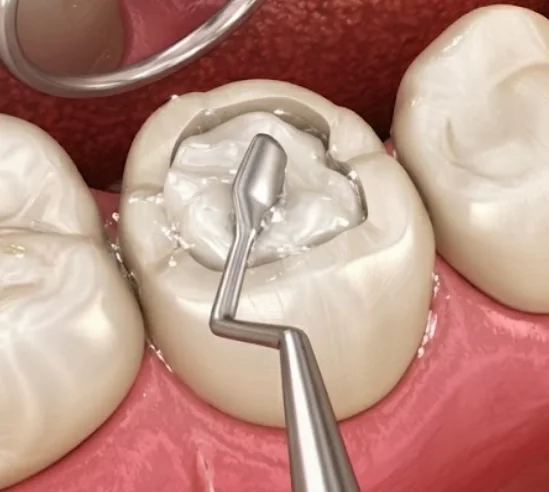
This is a key question in any plan. Bonding adds tooth-coloured composite resin to change a tooth's shape, size or colour. The steps include choosing a shade, preparing the tooth surface, shaping the resin, hardening it with a light and polishing it (Cleveland Clinic: dental bonding). It generally removes less tooth structure than conventional porcelain veneers, although that does not mean no preparation at all. The trade-off is that bonded composite can stain or chip.
Veneers and crowns involve their own preparation and upkeep, explained on the veneers and crowns pages. A good plan tells you how much each option changes your tooth before you choose.
Planning colour across whitening and restorations
Whitening lightens natural teeth, but existing crowns, veneers and composite fillings do not bleach in the same way, so a colour mismatch can become more noticeable afterwards (ADA: tooth whitening). When a plan includes both whitening and tooth-coloured work, the shade of any new restoration should be chosen with that in mind. Whitening results vary between people, and temporary sensitivity or gum irritation can occur.
Looking after your smile, and when to call us
- Brush, clean between your teeth and keep routine dental check-ups after any cosmetic treatment.
- Avoid biting hard objects with bonded teeth.
- Smoking and strongly staining drinks can make discolouration return after whitening.
- Contact us if a bonded tooth stays rough or your bite feels wrong, or if sensitivity after whitening bothers you.
What affects the cost of smile design?
The cost depends on which treatments your plan includes, how many teeth are involved, the materials chosen, any treatment needed first and whether a trial stage is used. Ask for a treatment-by-treatment estimate once your plan is agreed.
Why plan your smile with Deshpande Dental in Solapur
Smile design is led by Dr. Varun Deshpande, BDS, MDS (Prosthodontics, Crown & Bridge and Oral Implantology), whose services include veneers, crowns and full-mouth rehabilitation. That range lets your plan compare simpler and more extensive options side by side. Teeth whitening and tooth-coloured fillings are among the services of Dr. Rucha Deshpande, MDS (Conservative Dentistry and Endodontics). The clinic's dentists have published clinical case reports, including closure of a gap between the front teeth (a midline diastema) with lithium disilicate ceramic; you can read them on our journals page.
Deshpande Dental has cared for patients in Solapur since 2014 and has three clinics in the city. Book a consultation to talk through what you would like to change.