Dental Veneers
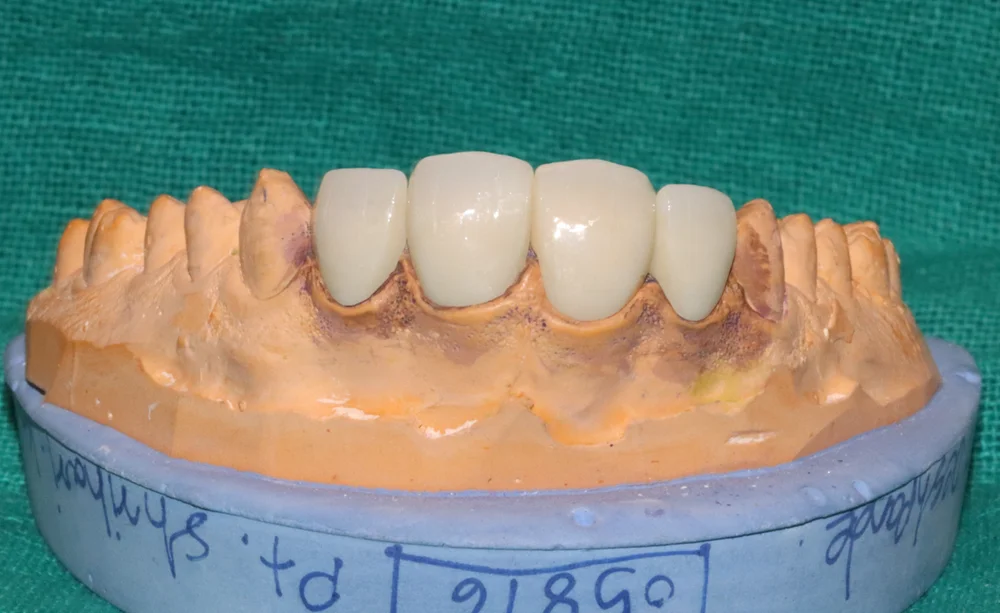
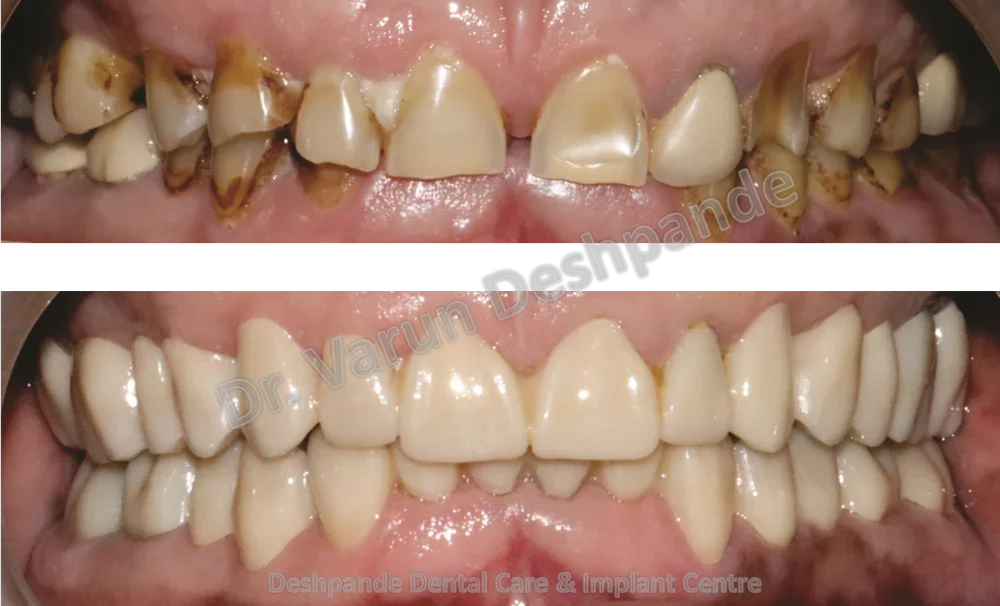
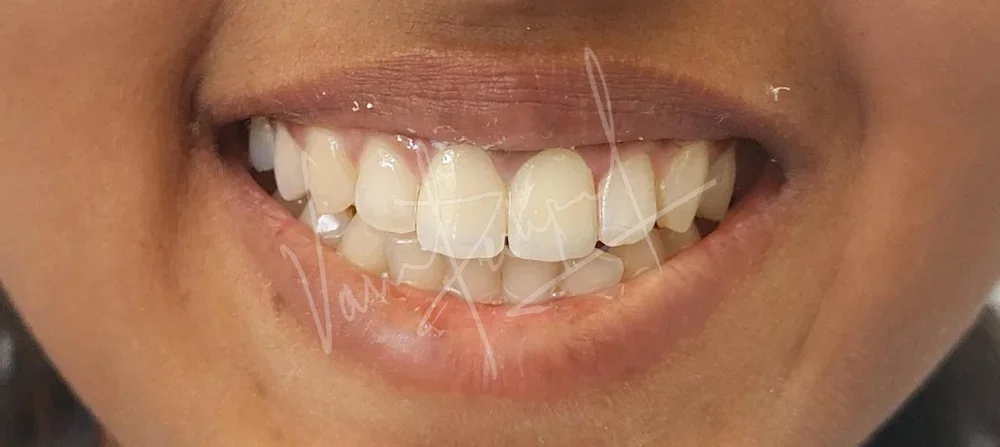
Dental veneers are thin porcelain or composite coverings bonded to the front of teeth to improve selected chips, stains, uneven shapes and small gaps. At Deshpande Dental in Solapur, our prosthodontist (a dentist specialising in restoring and replacing teeth) checks your teeth, gums and bite first, then explains whether veneers suit you and which material fits your teeth.
Reviewed by Dr. Varun Deshpande, MDS, .
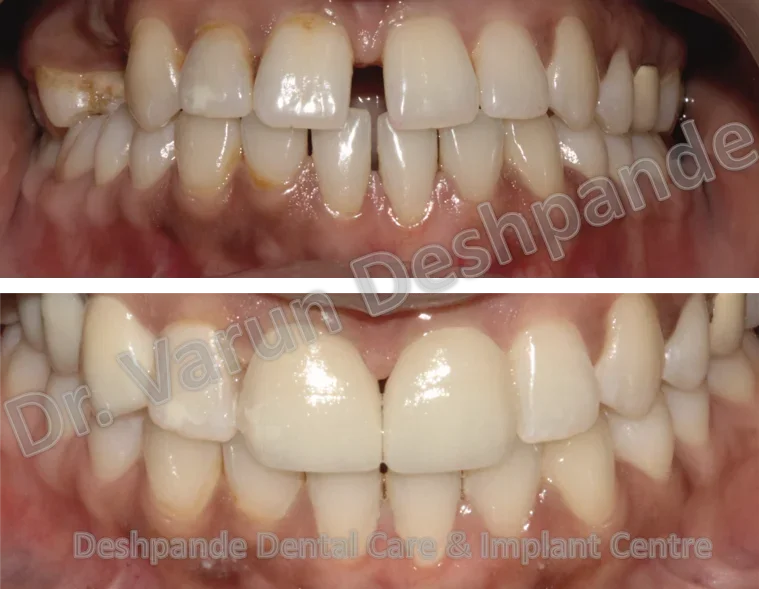
Are veneers the right way to change your front teeth?
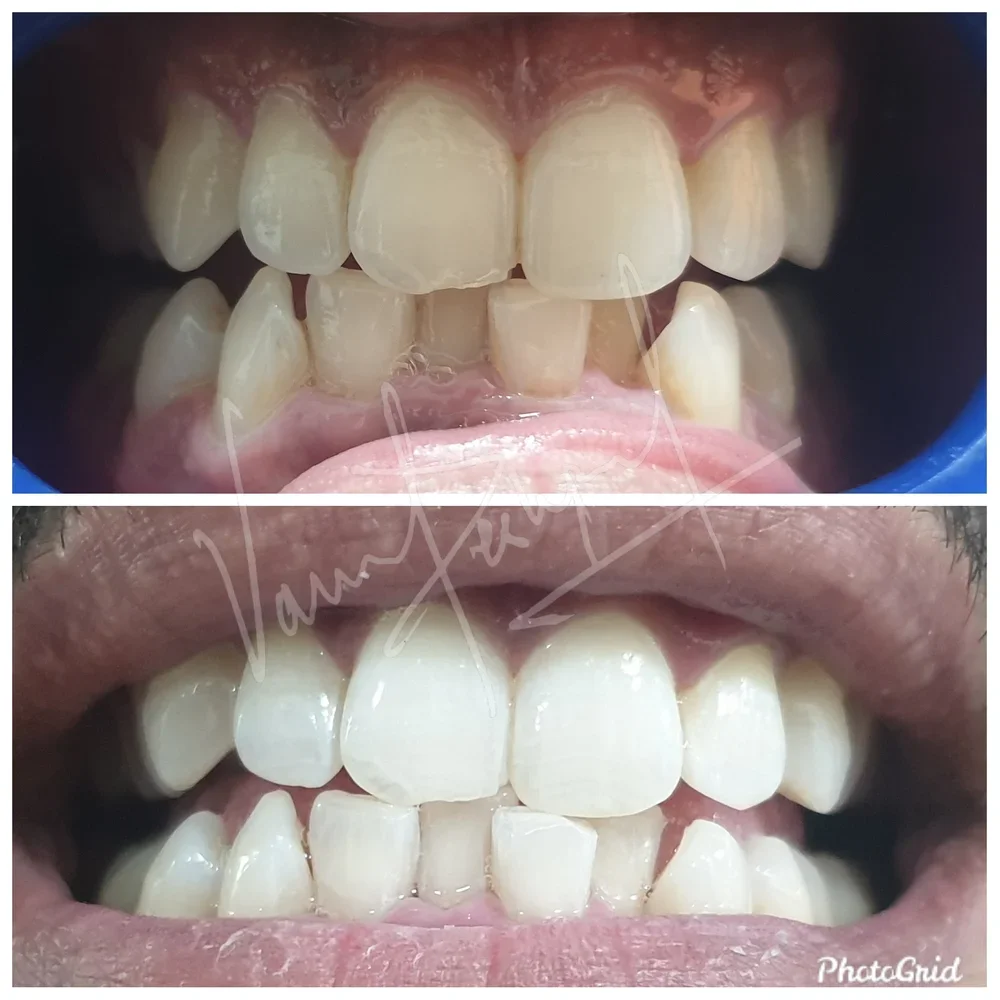
Veneers are thin coverings bonded to the front of a tooth. They can improve selected stained or discoloured teeth, uneven shapes, chips and small gaps, provided the tooth underneath is suitable for restoration (ADA: veneers). A veneer covers only the visible front surface, whereas a crown encases the whole tooth.
If you have been hiding your smile, the honest answer to "will veneers help?" is often "possibly". It depends on how much of each tooth is intact, the health of your gums and how your teeth meet when you bite. Your first appointment at Deshpande Dental in Solapur is about answering exactly that, before any tooth is changed.
Who veneers suit, and who may need a different plan
Veneers can restore the appearance of a tooth when much of it remains intact (American College of Prosthodontists: veneers). Some situations change the plan:
- Decay or gum disease should be treated before a veneer is placed.
- Grinding your teeth, or a deep bite (where the front teeth overlap a lot when you close) can limit whether veneers are suitable. It is not an automatic no, but it needs careful assessment.
- A heavily damaged tooth needs its own assessment. A veneer covers fewer surfaces than a crown, and neither is the right choice for every tooth.
If colour is your main concern, ask whether teeth whitening is worth considering. If you want to change several things at once, our smile design page explains how a wider plan is put together.
Porcelain or composite veneers: how do they compare?
| Comparison | Porcelain veneers | Composite veneers |
|---|---|---|
| Material | A thin ceramic (porcelain) shell | Tooth-coloured resin bonded to the tooth surface |
| How it is made | Made from an impression or digital scan taken after the tooth is prepared | Direct method: built up, shaped, light-cured (hardened with a special light) and polished on the tooth. Some are shaped on the tooth, then finished outside the mouth before bonding |
| Tooth preparation | The tooth is reshaped to make room so the veneer does not look bulky; how much depends on the tooth and the design | May need less enamel removal than porcelain, depending on the case; not always none |
| Before final bonding | Shape, colour, fit and bite are checked, then the specially treated ceramic is bonded with adhesive | Shaped and polished in place during the direct method |
| Can it be undone? | Often not, especially when enamel has been removed | Not automatically; it depends on the technique used |
With either material, a veneer can come loose and the tooth can feel more sensitive to hot and cold. Composite resin can also stain and wear over time and may need repair (ADA: veneers). Neither material is the right answer for everyone. The choice depends on your teeth, your bite, how much tooth change you are comfortable with and the upkeep you are prepared for. The two-stage composite method is described in this clinical article on direct-indirect composite veneers.
What happens during veneer treatment?
- Examination and planning. We check your teeth, gums and bite, and treat decay or gum disease first if needed. Where appropriate, digital shade matching helps record tooth colour.
- Preparing the tooth. For porcelain veneers, space is created so the veneer sits naturally rather than bulky; composite veneers may need less enamel removal, depending on the case. Removing enamel cannot be undone, so the amount is planned for each tooth.
- Recording the shape (porcelain). An impression or digital scan is taken so the veneer can be made. The clinic has an intraoral scanner for digital scans where needed.
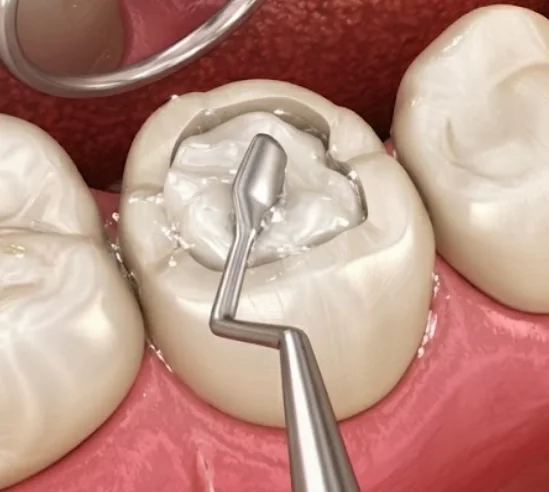
- Fitting. A porcelain veneer is checked for shape, colour, fit and bite before it is bonded. A direct composite veneer is built up, shaped, hardened with a light and polished on the tooth.
Sensitivity, risks and when to contact us
Many veneer treatments are not reversible, particularly when enamel is removed. Even minimal-preparation ("minimal-prep") or no-preparation ("no-prep") labels do not settle that on their own (Cleveland Clinic: dental veneers). After treatment, teeth can be more sensitive to hot and cold, and a veneer can loosen. Decay can also develop around or beneath a veneer, so the natural tooth still needs protecting.
If a veneer does not feel right after it is placed, for example if it feels loose or uncomfortable, contact us promptly.
Caring for veneers and how long they may last
- Brush with fluoride toothpaste and clean between your teeth every day.
- Do not use veneered teeth to open packets or bite hard objects.
- Tell us early about looseness, staining or sensitivity.
No fixed lifespan can be promised for either material. Repairs may be needed over time, so daily care and early attention matter.
What affects the cost of veneers?
Your estimate depends on the material, how many teeth are involved, any treatment needed first (such as decay or gum care) and possible future repair or replacement. Ask for an estimate after your examination rather than assuming every visible tooth needs a veneer.
Why choose Deshpande Dental for veneers in Solapur
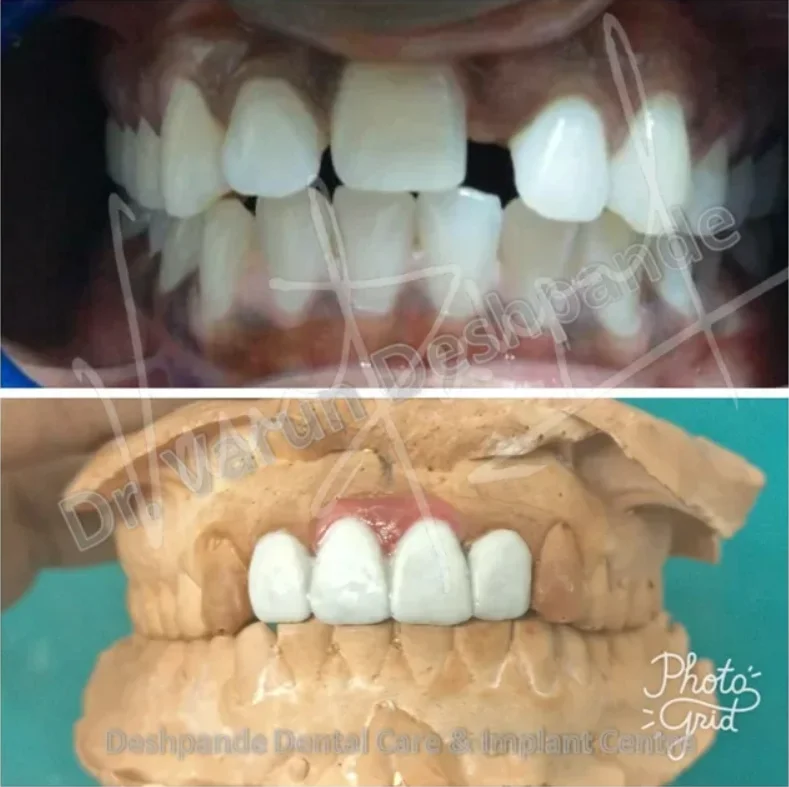
Veneers are planned by Dr. Varun Deshpande, BDS, MDS (Prosthodontics, Crown & Bridge and Oral Implantology). His postgraduate training focuses on restoring teeth, which matters when deciding how much of a tooth to change and which material fits your bite. The clinic's dentists have published clinical case reports, including one on closing a gap between the two front teeth (a midline diastema) with lithium disilicate ceramic; you can read them on our journals page.
Deshpande Dental has cared for patients in Solapur since 2014 and has three clinics in the city. Book a consultation to find out whether veneers suit your teeth, and which material makes sense for you.