Tooth Extraction & Wisdom Teeth
Tooth extraction means removing a tooth from its socket in the jaw, which may be advised when a tooth is too damaged or diseased to keep or when a wisdom tooth is causing problems such as pain, infection or decay. At Deshpande Dental in Solapur, extractions and wisdom tooth removal are carried out by Dr Varun Deshpande, who can also plan how to replace the tooth if it needs replacing.
Reviewed by Dr. Varun Deshpande, MDS, .
Does tooth extraction hurt?
Before a tooth is taken out, a local anaesthetic is used to numb the tooth and the gum around it (Cleveland Clinic: tooth extraction). Some pain and swelling can follow tooth removal. If pain is severe, lasts or keeps getting worse, contact us.
Why choose Deshpande Dental for tooth extraction in Solapur
- A dentist who also plans what comes next. Extractions and wisdom tooth removal are carried out by Dr. Varun Deshpande, who holds an MDS in Prosthodontics, Crown & Bridge and Oral Implantology and completed a course in oral and maxillofacial implantology. If a removed tooth needs replacing, he also provides dental implants, bridges and dentures.
- 3D imaging in the clinic where needed. We have an in-house CBCT 3D scanner, used only where needed, such as checking a lower wisdom tooth whose roots may lie close to a nerve.
- Local and established. Deshpande Dental has cared for patients in Solapur since 2014, with three clinics in the city.
Can the tooth be saved instead?
Extraction may be advised when decay or damage is too extensive to repair, when gum disease has severely damaged the tooth's support, when the tooth is fractured, or to relieve crowding, but each reason needs an individual examination.
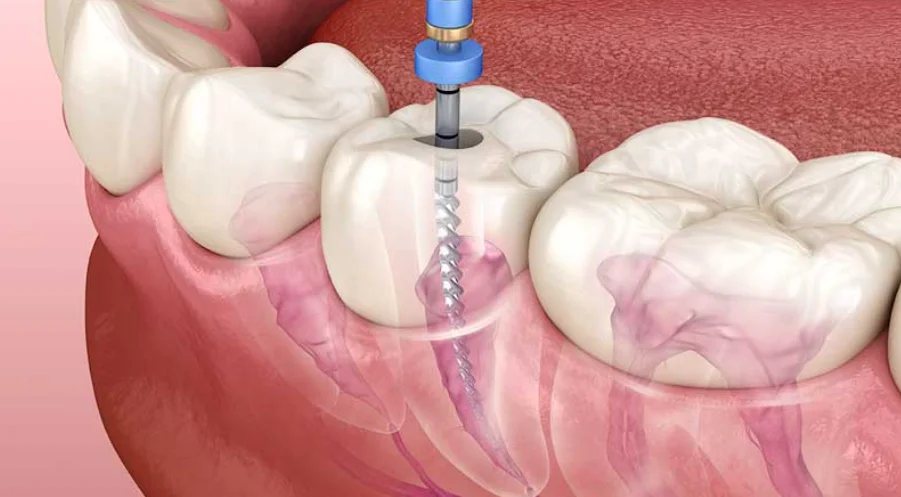
For some teeth with disease inside the tooth, root canal treatment, a repeat root canal or surgery at the root may save it (American Association of Endodontists: treatment options for the diseased tooth). These options do not apply to every reason for extraction, none is certain to work, and some teeth cannot be saved.
Before agreeing to an extraction, ask why that tooth needs to come out, the likely benefits and risks, any reasonable alternative, and what may happen if it is left untreated. Leaving a problem tooth untreated is not always safe either.
Wisdom tooth removal: remove or monitor?
A wisdom tooth may need removing if it causes pain, repeated gum infection, decay or other problems (NHS: wisdom tooth removal). One that causes no problems may be monitored at check-ups instead, though monitoring can mean pain or infection later. The assessment looks at your symptoms, whether the neighbouring tooth is affected, and how the tooth and its roots lie in relation to nerves. Upper and lower wisdom teeth have different nearby structures and risks.
For a lower wisdom tooth, X-rays help show how close the roots are to the inferior dental nerve, a nerve in the lower jaw that carries feeling. Where the roots appear close to it, a 3D CBCT scan may be considered; it is not needed for every wisdom tooth. For a suitable lower tooth with roots near the nerve, your dentist may also discuss coronectomy: removing the crown of the tooth and deliberately leaving the roots in place to reduce the risk of nerve injury. It does not suit every tooth, for example one with decay or infection around the roots.
What happens during a tooth extraction
- Assessment. Your dentist asks about your general health and the medicines, vitamins and supplements you take, examines your mouth and takes X-rays if needed (NHS: visiting the dentist).
- Simple extraction. A tooth that can be reached without surgery is usually removed with forceps. A tooth can break during removal, so some planned simple extractions need a surgical approach.
- Surgical extraction. When a tooth or root lies partly under the gum, has broken below the gum line or has complex roots, your dentist may lift a small flap of gum, remove a little bone or divide the tooth. Not every step is needed every time. Some wisdom teeth come out like ordinary teeth; others need this approach.
- Closing up. The socket is cleaned, and stitches (which may be dissolving) or graft material may be used when needed.
Aftercare: helping the socket heal
- Protect the blood clot in the socket and avoid disturbing the wound; the clot supports healing.
- Avoid smoking. It can slow healing, and after wisdom tooth removal it increases the risk of infection.
- After wisdom tooth removal, eat soft foods and clean the area carefully.
- Follow the wound-care and cleaning instructions for your procedure.
- Bone healing continues after the gum feels better, and recovery has no single fixed deadline.
Risks of tooth extraction
Possible complications include infection, delayed healing, nerve injury and injury to the sinus; your risk depends on the tooth and the procedure. Some upper back teeth sit close to the sinus, and removing them can create an opening into it that may need extra care. Surgical removal can also affect neighbouring teeth or their fillings, and in some lower sites a nerve can be injured, changing feeling in a way that can sometimes last.
After wisdom tooth removal specifically, possible complications include a problem with the healing socket known as dry socket, infection and injury to nearby nerves that carry feeling.
When to contact us after an extraction
Contact the clinic promptly if you have:
- heavy bleeding, or bleeding that continues despite pressing on the area as advised
- severe pain that lasts or keeps getting worse
- fever or pus
- increasing pain and swelling, or a bad taste, after surgical or wisdom tooth removal
Do not try to diagnose dry socket or infection at home; have it checked. Difficulty breathing or swallowing needs emergency care straight away.
Replacing a tooth and what affects the cost
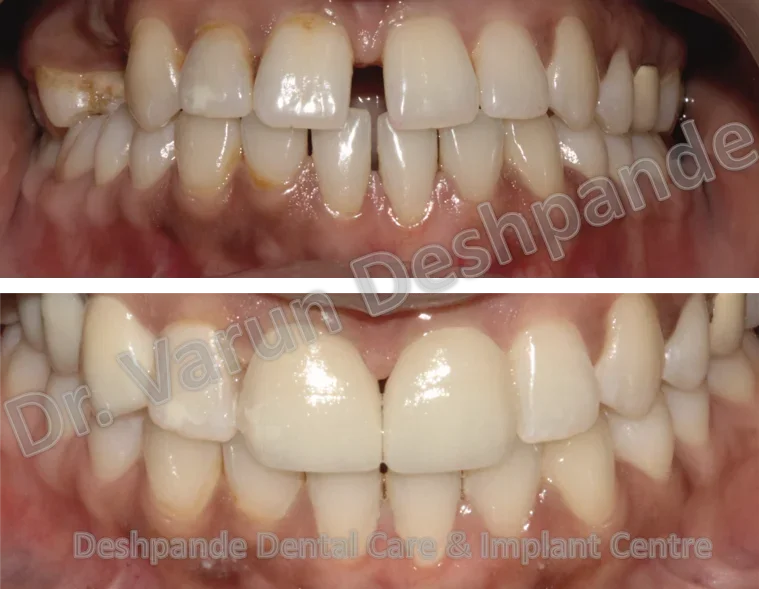
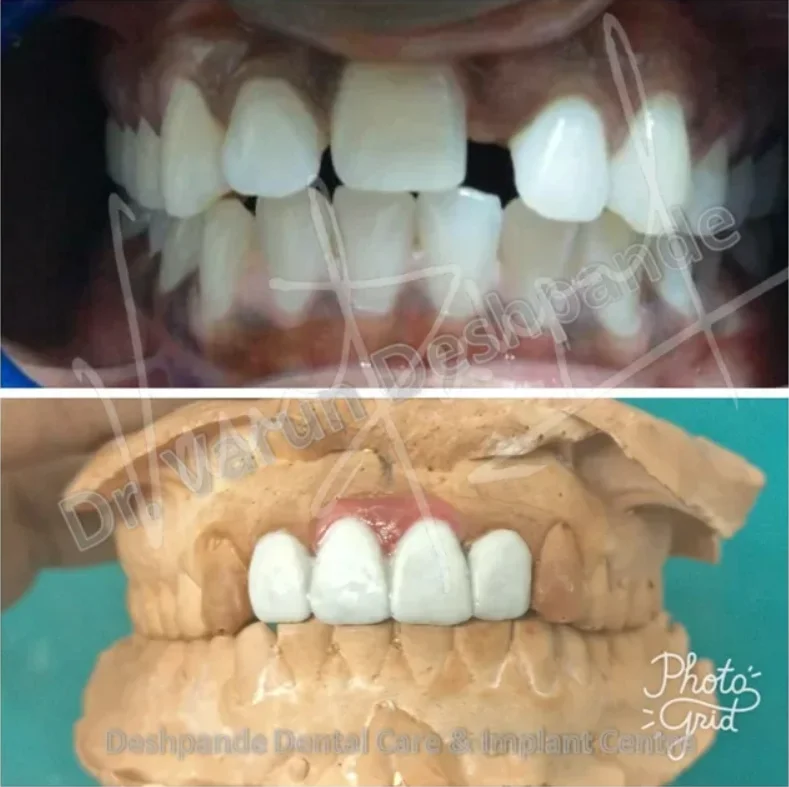
Whether to replace a removed tooth depends on which tooth it is and your overall plan. The cost of tooth extraction depends on whether the tooth can be removed simply or needs a surgical approach, how many teeth are involved, whether X-rays or a 3D scan are needed, and any further treatment. Ask for an estimate after your examination. To find out whether your tooth or wisdom tooth needs to come out, book a consultation at Deshpande Dental in Solapur.