Full Mouth Rehabilitation
Full mouth rehabilitation brings the repair or replacement of many worn, broken or missing teeth into one coordinated plan, so your teeth can work better as well as look better. At Deshpande Dental in Solapur, a prosthodontist (a dentist specialising in restoring and replacing teeth) plans each tooth individually, so the plan can combine different treatments rather than crowning every tooth.
Reviewed by Dr. Varun Deshpande, MDS, .

Full mouth rehabilitation in Solapur: one plan when many teeth need help
When several teeth are broken, worn down, missing or held together by old, failing fillings and crowns, it can be hard to know where to start. Full mouth rehabilitation, also called full mouth reconstruction, brings this into one coordinated plan that rebuilds or replaces teeth across the mouth. The aim is to improve how your teeth work, not only how they look (American College of Prosthodontists: full mouth reconstruction).
The reassuring part is that the plan is built tooth by tooth. It does not mean putting a crown on every tooth, and for badly worn teeth it starts with finding and slowing the cause.
Who may need full mouth rehabilitation?
People may need a coordinated plan when they have:
- several missing teeth
- many broken or weakened teeth, or large restorations that are failing
- severe tooth wear, once its cause and extent have been assessed
These are examples, not automatic reasons for treating the whole mouth. Your examination decides whether a full plan or a smaller amount of treatment is appropriate.
Why choose Deshpande Dental for full mouth rehabilitation
- Led by a prosthodontist (a dentist specialising in restoring and replacing teeth). Dr. Varun Deshpande holds an MDS in Prosthodontics, Crown & Bridge and Oral Implantology. Full mouth rehabilitation, crowns and bridges, implants and dentures are all part of his work, so the options below can be weighed together.
- Published experience. Our dentists have published clinical case reports, including a full mouth rehabilitation using computer-designed (CAD/CAM) full-contour zirconia restorations. Read them on our journals page.
- Digital records where needed. The clinic has an intraoral digital scanner and digital shade matching, used when appropriate.
- In Solapur since 2014, with three clinics in the city.
Not every tooth needs a crown
Each tooth gets the treatment it needs. Options that may be combined include:
- Tooth-coloured fillings or build-ups where enough tooth remains and the bite allows (fillings).
- Crowns for broken or badly weakened teeth, or teeth with large fillings and little tooth left (crowns and bridges).
- Veneers for selected front teeth with a suitable bite, which generally involve less tooth reduction than full crowns (veneers).
- Bridges, implants or dentures to replace missing teeth, or sometimes leaving a suitable gap.
- Dentures or overdentures (removable dentures that fit over retained teeth, roots or implants) for selected cases of severe, widespread wear.
If your teeth are badly worn
Some tooth wear is normal. Assessment separates this from damaging (pathological) wear and looks at the cause, how severe it is, how fast it is progressing and what problems it causes. For severe wear, a European expert consensus recommends diagnosis, prevention, advice and monitoring as part of care; restoring the teeth depends on the severity, its effects and your wishes, and may be deferred where appropriate. When restoration is needed, minimally invasive approaches with ongoing prevention are favoured (European consensus on severe tooth wear).
Small wear without symptoms may simply be monitored. If wear gets worse or starts causing sensitivity, sharp edges or difficulty chewing, it should be reassessed (University Hospitals of Leicester NHS: tooth wear).
What treatment involves
Before any crowns are planned, your dentist assesses decay risk, how well you can clean, gum health and your bite. Tooth grinding (bruxism) can complicate crown planning, but it does not automatically rule crowns out.
Ask for a tooth-by-tooth plan and the order of appointments. Restoring badly worn teeth can take several appointments, some of them long. Tooth-coloured build-ups can make your bite feel unfamiliar at first. For crowns and bridges, the teeth are prepared and impressions or digital scans are taken; the finished work is then checked for fit and comfort before it is fixed in place.
Risks and looking after your new teeth
- Preparing a tooth for a crown removes tooth structure that cannot grow back, and sensitivity can follow preparation and fitting.
- Teeth that support a bridge can still decay, fracture or develop gum problems.
- Restorations placed for worn teeth can later chip, fracture or wear and need maintenance (Bristol Dental School: tooth wear).
Brush with fluoride toothpaste, clean between your teeth and under any bridge every day, cut down on frequent sugary snacks and drinks, and avoid biting hard objects. Regular check-ups assess both your teeth and the condition of the work. Contact us if a crown feels loose, cracked or sharp, or if a bridge loosens, cracks or hurts when you chew.
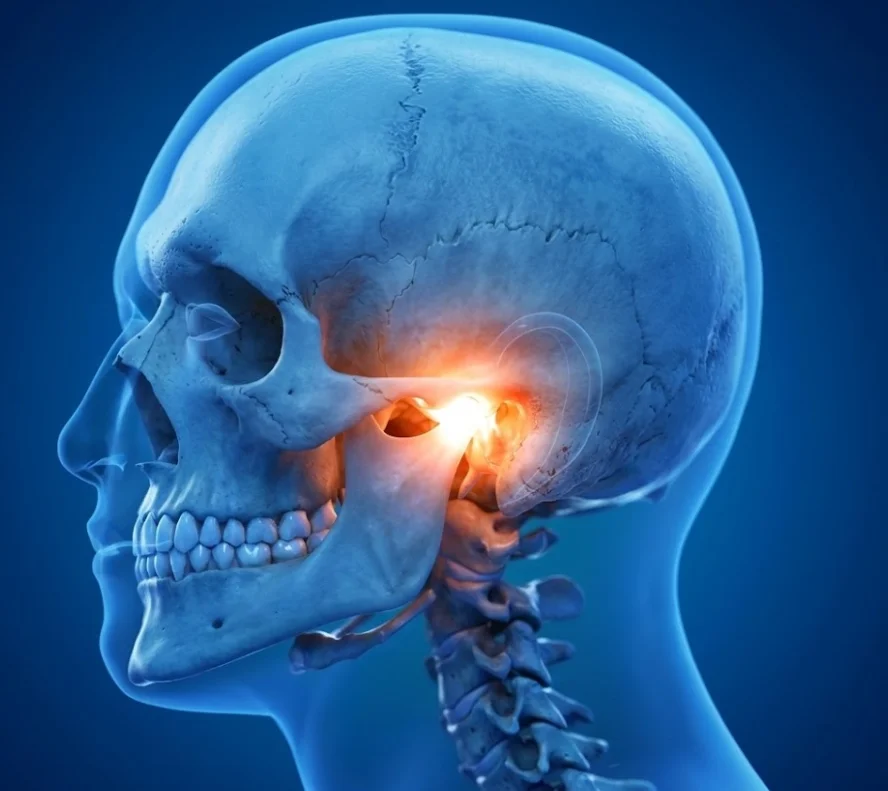
Full mouth rehabilitation is not a treatment for jaw-joint pain or headaches, which need their own assessment. For jaw-joint disorders (TMD), treatments that change the teeth or bite in ways that cannot be undone should generally be avoided (NIDCR: TMD). If this is your main concern, read about TMJ disorder management first.
What affects the cost of full mouth rehabilitation
The cost depends on how many teeth are treated, the type and material of each restoration, whether missing teeth are replaced with bridges, implants or dentures, any treatment needed first and how many appointments the plan involves. Ask for an itemised, tooth-by-tooth estimate, and book a consultation at Deshpande Dental in Solapur to start with an honest assessment.