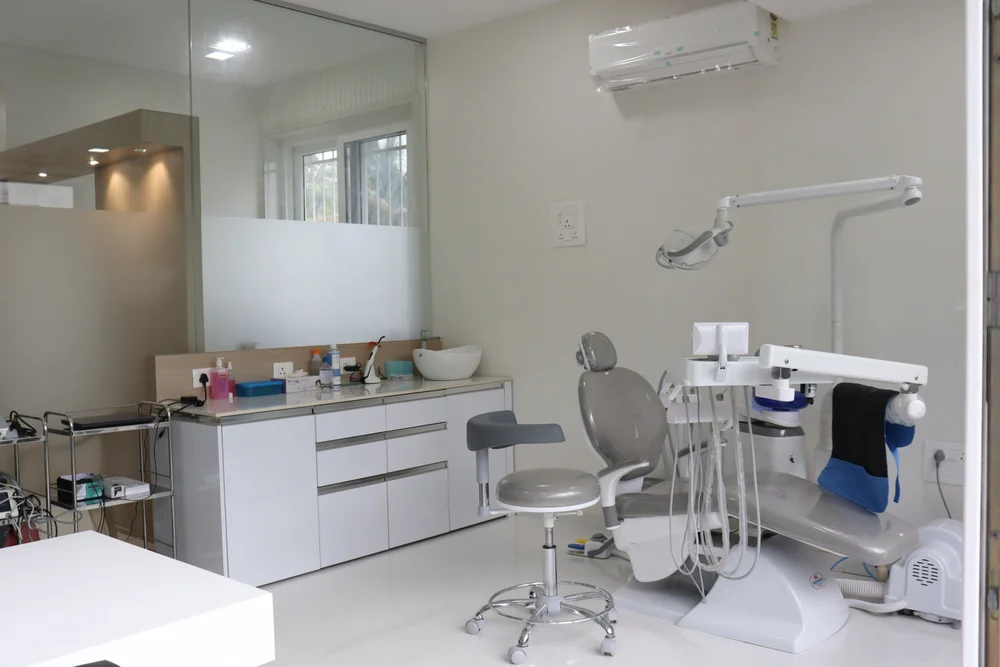
Teeth Cleaning & Scaling
Teeth cleaning and scaling remove plaque and hardened tartar from your teeth, and with good daily care at home they can help gums with early inflammation, called gingivitis, recover. At Deshpande Dental in Solapur, cleaning is provided with Dr Rucha Deshpande, and the type of cleaning is chosen after your gums have been checked rather than as a one-size routine.
Reviewed by Dr. Rucha Deshpande, MDS, .
What does scaling do to your teeth?
Scaling is the part of a dental cleaning that removes plaque and hardened tartar, also called calculus, from your teeth. In a routine scale and polish, this is done above the gumline with small hand instruments or an ultrasonic scaler, and the teeth are then polished.
The after-effect to know about is sensitivity: scaling and polishing can leave teeth feeling sensitive for a while. Leicester's NHS hospital trust describes this in its patient leaflet on gum disease.
What about loose teeth? Teeth that start to feel loose are a warning sign of gum disease. If a tooth feels loose at any time, before or after a cleaning, have it checked promptly.
Why do gums bleed, and can a cleaning help?
Red, swollen gums that bleed easily can be a sign of gingivitis, which is early inflammation of the gums. An examination is still needed to find the cause.
When gingivitis is caused by plaque, it can clear up with a professional cleaning together with good daily cleaning at home, before it damages the tissues that support the teeth. If the gums have already shrunk back or the support around the teeth has been lost, that needs a separate check for periodontitis, the more advanced form of gum disease. Gum disease can also be present without obvious symptoms, which is one reason a check is worth having even when nothing hurts. See the American Dental Association guide to gum disease.
Routine cleaning or deep cleaning: which do you need?
Not every cleaning is the same, and a deep cleaning is not automatic. Your dentist chooses the approach after checking your gums.
| Comparison | Routine scale and polish | Deep cleaning (scaling and root planing) |
|---|---|---|
| Where it cleans | Tooth surfaces above the gumline | Below the gumline, inside deep gum pockets |
| When it is used | Plaque and tartar build-up or early gum inflammation, alongside good home care | Deeper gum pockets from gum disease |
| What you may feel | Teeth can feel sensitive afterwards | May need local anaesthetic; temporary pain, sensitivity, or tender or bleeding gums can occur |
| Visits and follow-up | Home care and regular dental review | May take more than one visit; gum pocket depths are checked again afterwards |
The ADA guide to scaling and root planing explains the deep-cleaning route in more detail. The discomfort and anaesthetic described there belong to deep cleaning, not to every routine cleaning.
What happens during a teeth cleaning visit
- Gum and teeth check: your gums are assessed so the cleaning matches what they need.
- A few questions: your diet, smoking, alcohol use and cleaning habits may be discussed, because they shape the advice you are given.
- Scaling: plaque and tartar are removed with hand or ultrasonic instruments.
- Polishing: the tooth surfaces are polished.
- Home-care help: you can be shown how to improve your brushing and cleaning between your teeth.
Why choose Deshpande Dental for teeth cleaning in Solapur
- An MDS-qualified dentist. Teeth cleaning and scaling are provided with Dr Rucha Deshpande, BDS, MDS (Conservative Dentistry and Endodontics).
- Cleaning matched to your gums. Whether you need a routine scale and polish or a deep cleaning is decided after your gums are checked.
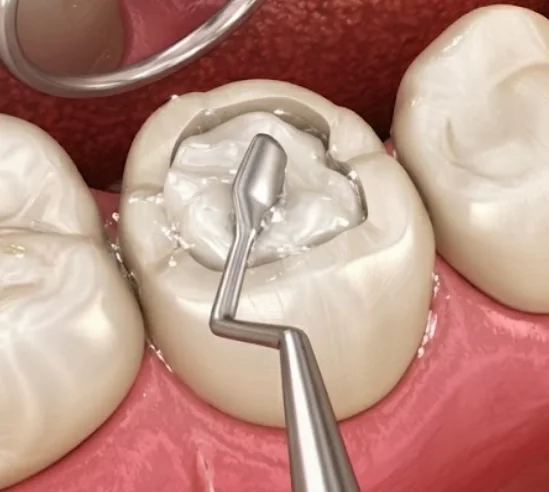
- Help with what comes next. If your check finds decay, tooth-coloured fillings are also among Dr Rucha's services.
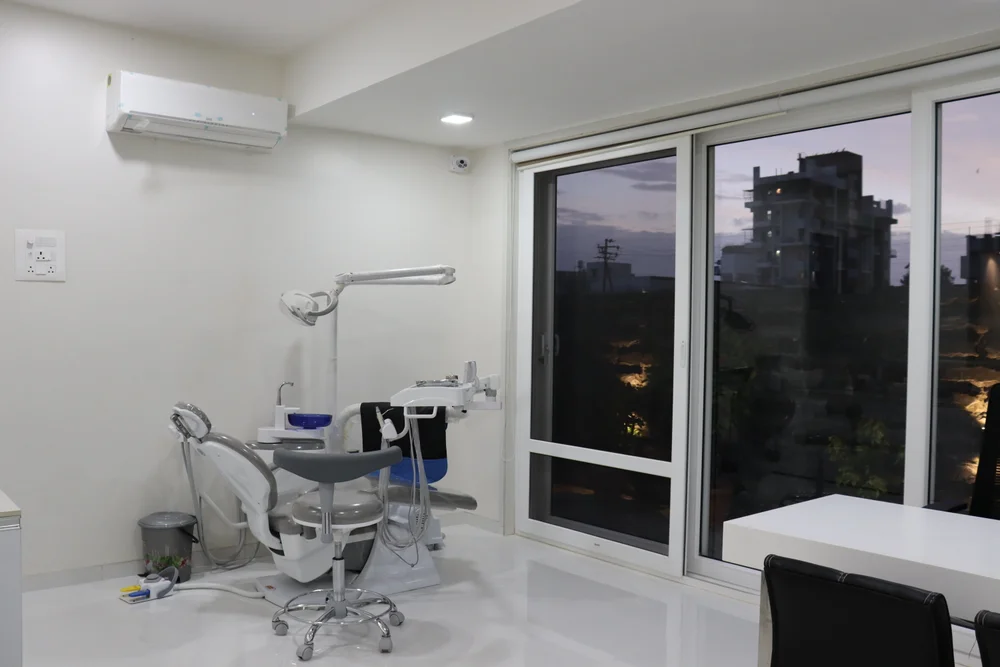
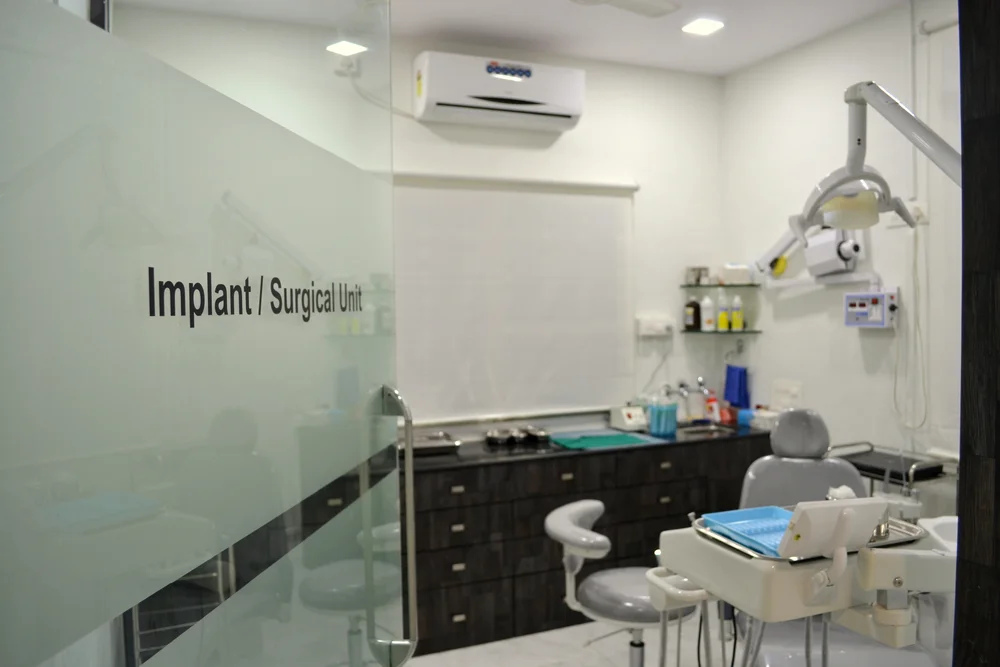
- Established in Solapur. Deshpande Dental has looked after patients in Solapur since 2014. If you are looking for teeth cleaning near you, there are three clinics in the city: Civil Chowk, Antrolikar Nagar and Jule Solapur.
Keeping your gums healthy after a cleaning
A professional dental cleaning does not replace what you do every day. Brushing twice a day, cleaning between your teeth daily and attending regular dental reviews help limit gum disease coming back. Your brushing and cleaning technique can be tailored to your mouth, so ask to be shown if you are unsure.
Good home care supports treatment, but gum disease that has already become established may still need further care.
When to see a dentist promptly
- Bleeding gums, or painful and swollen gums, are worth a dental check.
- Very sore, swollen gums or teeth becoming loose need a prompt dental assessment.
These are general warning signs of gum disease, described in the NHS guide to gum disease. On their own they do not mean that a cleaning caused harm, but they should not wait for your next routine visit.
What affects teeth cleaning charges?
Teeth cleaning charges depend mainly on what your gums need: whether a routine scale and polish is enough or deep cleaning below the gumline is required, how many visits that takes, and whether local anaesthetic is needed. Any other treatment found at your check, such as a filling, is separate. Ask for an estimate after your gums have been checked.