TMJ Disorder Management
TMJ disorder management looks after pain and problems in the jaw joints (temporomandibular joints, or TMJs) and chewing muscles, starting with finding out what is actually causing your symptoms. For TMJ treatment in Solapur, you can arrange a jaw-pain assessment with Dr Varun Deshpande at Deshpande Dental, and conservative, reversible care is generally considered before anything that would change your teeth or bite.
Reviewed by Dr. Varun Deshpande, MDS, .
Is jaw clicking or jaw pain something to worry about?
Jaw clicking without pain usually does not need treatment, and many jaw joint and jaw muscle problems (TMD) settle without treatment. What changes things is pain, the jaw locking, or difficulty opening your mouth. Those deserve a proper assessment.
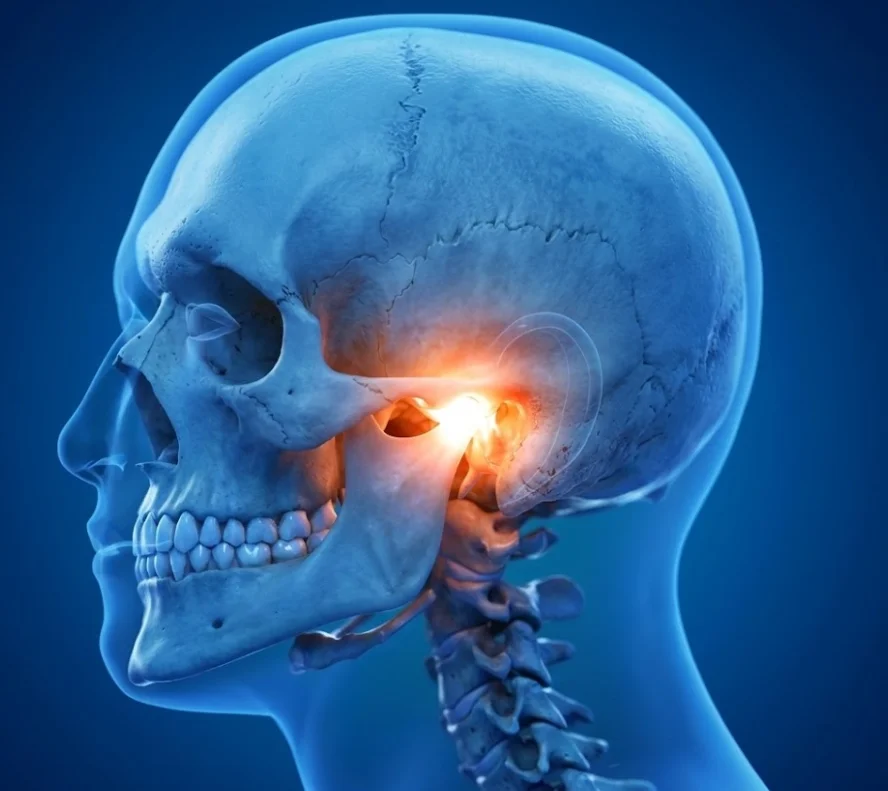
TMD (temporomandibular disorder) is an umbrella term rather than one diagnosis. It covers problems with the jaw joints (the temporomandibular joints, or TMJs), the chewing muscles and the headaches that can come with them. That is why the first step is to work out which problem you have, not to start a treatment.
How jaw pain is assessed
Diagnosis is based on your history and an examination of the jaw, with imaging only when it is indicated. Other causes of facial pain also have to be considered, because there is no single test that confirms TMD.
You can help by describing:
- where the pain is and when it started
- what makes it better or worse
- whether eating or opening your mouth is limited
- any previous treatment and the medicines you take
Why see Dr Varun Deshpande for jaw pain in Solapur
- An MDS-qualified dentist who manages TMJ disorders. TMJ disorder management is one of the services of Dr Varun Deshpande, BDS, MDS (Prosthodontics, Crown & Bridge and Oral Implantology).
- Imaging only where needed. If imaging is indicated, the type depends on what needs checking; the clinic has an in-house CBCT 3D scanner, used where appropriate rather than for every patient.
- Local and established. Deshpande Dental has served Solapur since 2014, with three clinics in the city: Civil Chowk, Antrolikar Nagar and Jule Solapur.
Simple self-care during a painful flare
Conservative, reversible care is generally preferred before anything invasive. During a flare, these steps may ease symptoms:
- eat softer foods for a while to reduce the work your jaw has to do
- use a heat or cold pack wrapped in a cloth to protect your skin, and gently massage the jaw muscles
- avoid chewing gum and notice when you clench your teeth, so you can reduce it
These steps reduce strain on the jaw; they do not mean one habit is the whole cause. The NHS guide to temporomandibular disorder explains self-care in more detail.
If symptoms do not settle
If simple self-care does not help, the next step is a reassessment of the type of TMD and of other possible causes. Depending on what is found, options can include physiotherapy, behavioural care or an oral appliance. Where another cause is suspected, referral to a doctor or another specialist may be the right step.
Pain medicine may also be suggested. Evidence is limited on which medicine works well for TMD pain, and some prescription options can have serious side effects, so the choice and how long to take it need an individual discussion. NIDCR (US National Institutes of Health) explains TMD treatments and their evidence.
Will a splint or night guard help?
A splint is a removable appliance that fits over your teeth. It should not change your bite in a way that cannot be undone. Evidence that splints improve TMD pain is limited, and protecting the teeth from wear is a separate question from relieving pain.
For people who clench or grind their teeth at night, a dentist-made guard can be a soft splint, which is flexible, or a hard stabilisation splint, which has an even biting surface; some people clench more or wear through a soft splint quickly. The design is chosen for the individual.
If a splint is suggested for you:
- a new splint may feel uncomfortable at first or make more saliva; poor fit, sharp edges or sore gums should be reviewed by the dentist who provided it
- if it causes pain, stop wearing it and have it checked
- brush your teeth before putting it in, do not eat while wearing it, and clean it daily with cold water, mild soap and a soft brush, following the bite guard care advice and your dentist's instructions
Does my bite need to be changed?
Usually not. Research does not support assuming that a bad bite causes TMD, and changing the bite is not a routine TMD treatment. Treatments that change your teeth or bite irreversibly should generally be avoided as TMD care. If irreversible work is ever suggested for jaw pain, ask what diagnosis it is for and what benefits and risks to expect.
When jaw pain needs urgent attention
Seek urgent medical assessment if you cannot eat or drink, or if jaw pain comes with changes in your vision or a severe headache. Other serious conditions can look like TMD, so do not assume these symptoms are a routine jaw problem.
What affects the cost of TMJ care?
The cost depends on what your assessment finds: whether imaging is needed, whether an appliance is needed and how many review visits you need. Ask for an estimate once the cause of your symptoms is clearer.