Dental Fillings
A dental filling repairs part of a tooth damaged by decay or a minor chip or crack, so the rest of your natural tooth can be kept. At Deshpande Dental in Solapur, fillings are among the services of Dr Rucha Deshpande, whose MDS is in Conservative Dentistry and Endodontics, with tooth-coloured composite chosen when it suits the size of the cavity and the way the tooth is used for biting.
Reviewed by Dr. Rucha Deshpande, MDS, .
Does getting a filling hurt?
For a routine filling, the tooth is usually numbed with a local anaesthetic before the dentist removes the decayed or damaged part and places the filling. If you feel discomfort during treatment, say so.
Afterwards, the tooth can have some temporary sensitivity. Pain that is severe or does not settle is different and should be checked. After a routine filling you can usually get on with your day, but wait for the numbness to wear off before eating so that you do not bite your cheek.
When is a filling the right repair?
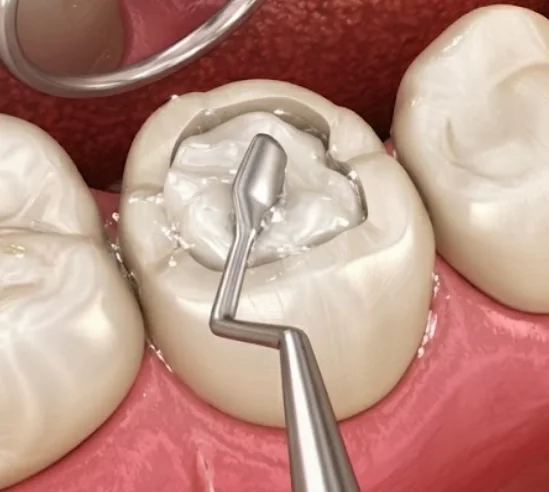
A tooth filling repairs selected damage caused by decay (a cavity) or by a minor chip or crack. It is a direct repair, which means the material is shaped inside your mouth during the appointment.
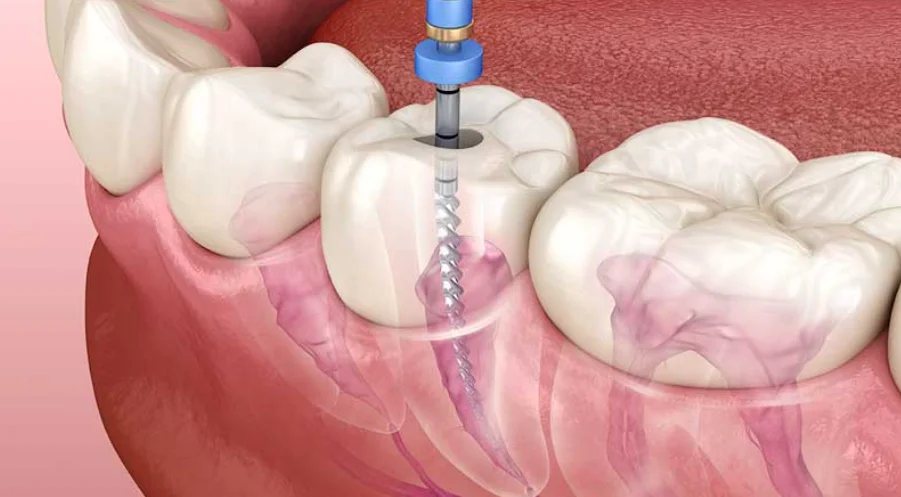
When decay goes deeper or the tooth is more badly damaged, a filling may not be enough and another treatment may be needed. Depending on what the examination finds, that could be a crown, which is made outside the mouth before it is fitted, or root canal treatment if the soft tissue inside the tooth is affected. The examination, not a symptom or a photo, decides which repair your tooth needs.
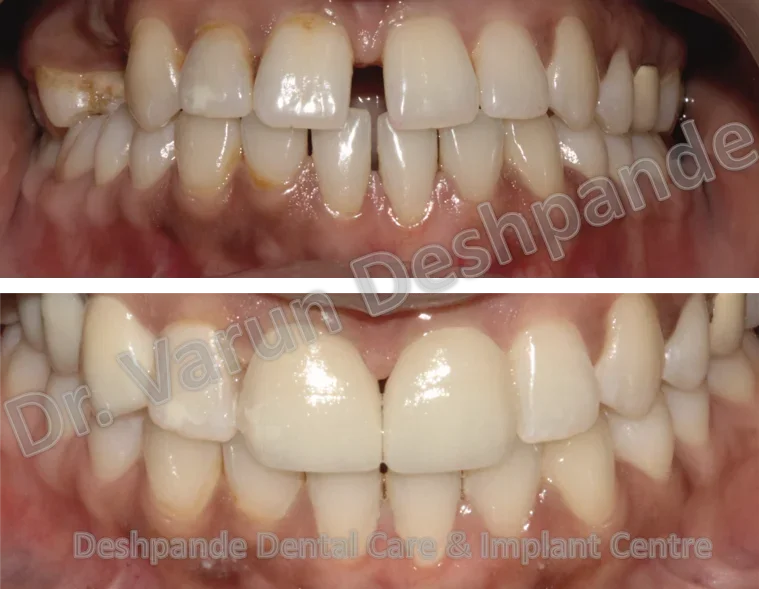
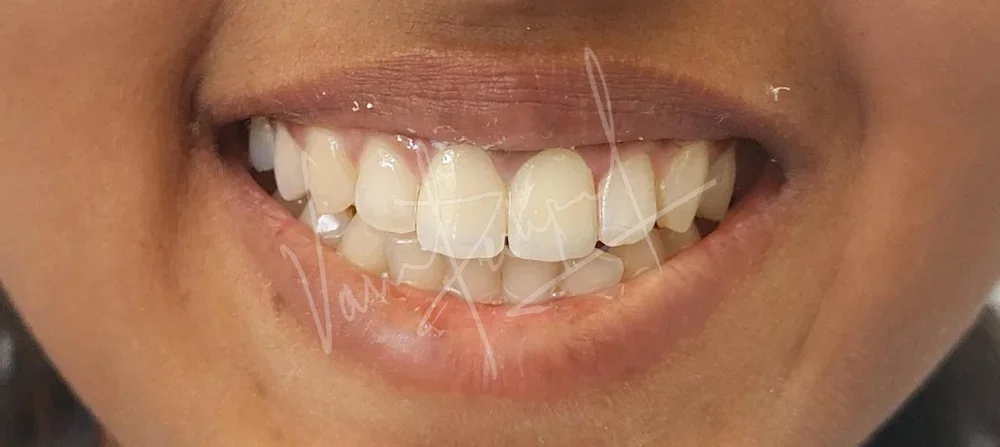
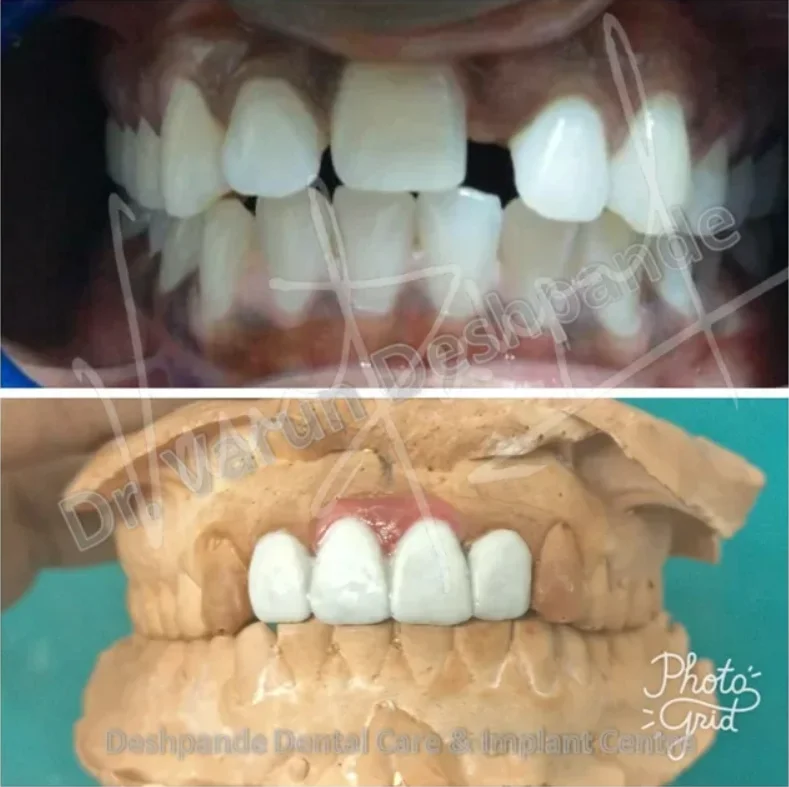
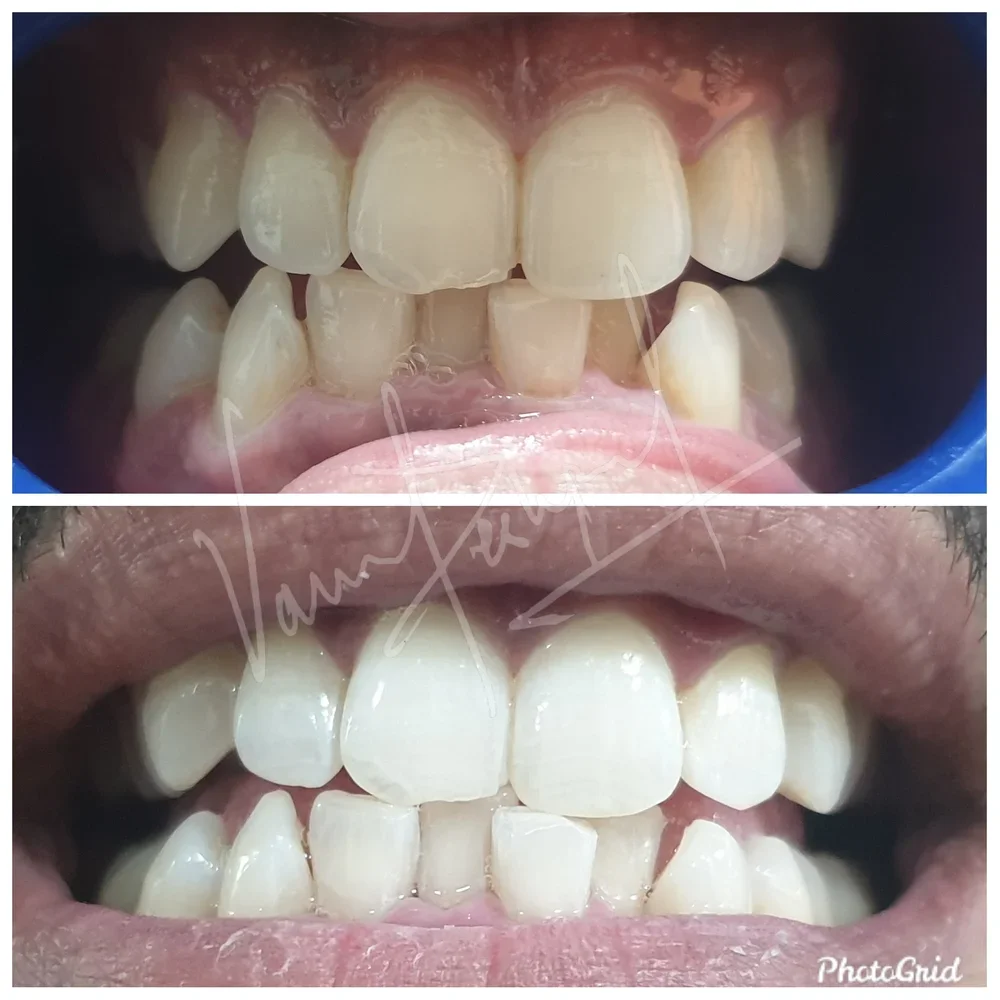
If you are looking for teeth gap filling, closing a gap between teeth is a cosmetic treatment rather than a filling for decay. Selected gaps may be closed with composite bonding or veneers, depending on the spacing, your bite and gum health; see our composite bonding guide and smile design page.
Tooth-coloured composite fillings
Composite is a tooth-coloured filling material that blends with the natural colour of your tooth. In adult teeth it can be used on front or back teeth, and it can be a suitable choice for small to medium cavities in areas under moderate chewing pressure. For large fillings or teeth that take heavy biting forces, the material is chosen case by case rather than assumed.
The honest trade-offs, as the American Dental Association describes for tooth-coloured fillings:
- the tooth must be kept clean and dry while composite is placed, and it can take longer to place than a silver (amalgam) filling
- it may cost more than amalgam
- no filling lasts forever; composite may eventually need replacing, and some studies have found composite fillings need replacing more often than amalgam
Why choose Deshpande Dental for fillings in Solapur
- An MDS-qualified dentist for fillings. Tooth-coloured fillings and root canal treatment are both among the services of Dr Rucha Deshpande, whose MDS is in Conservative Dentistry and Endodontics.
- Local and established. Deshpande Dental has looked after patients in Solapur since 2014 and has three clinics in the city: Civil Chowk, Antrolikar Nagar and Jule Solapur.
What happens at a filling appointment
- Checking and numbing: the tooth is examined and usually numbed with local anaesthetic.
- Removing the damage: decayed or damaged tooth tissue is removed.
- Placing the filling: the tooth is kept clean and dry, the composite is placed and then hardened with a curing light.
- Finishing: rough edges are smoothed and polished, and your bite is checked.
The exact steps vary with the filling material and the tooth. The Cleveland Clinic guide to dental fillings explains the procedure and recovery.
After your filling
- You can usually return to normal activities straight away; wait until the numbness wears off before eating.
- Follow any specific instructions you are given for your filling.
- Temporary sensitivity can happen. Severe or lasting pain needs a check, because it can mean the bite needs adjusting or the inner part of the tooth is affected.
What about old silver (amalgam) fillings?
Silver fillings are dental amalgam, a mix of mercury and a metal alloy containing silver, tin and copper. The mixture is shaped in the prepared cavity and hardens there.
Amalgam releases low levels of mercury vapour. How much this matters depends on exposure and individual susceptibility, and the FDA states that most evidence does not show harm to the general population.
If your amalgam fillings are intact with no decay underneath, they do not routinely need replacing. The FDA does not recommend removing sound amalgam just to prevent disease, because removal loses healthy tooth structure and briefly increases mercury exposure.
The FDA does list higher-risk groups: people who are pregnant, planning a pregnancy or breastfeeding, young children (particularly under six), and people with existing neurological disease, reduced kidney function or an allergy to an amalgam component. It encourages suitable non-amalgam materials for new fillings in these groups, and a known allergy to a component is a reason to avoid amalgam. If any of these apply to you, or you have another medical concern, mention it so the choice of material can be discussed for your situation. Read the FDA's information on dental amalgam fillings.
When to contact a dentist promptly
Get in touch promptly if a filling breaks, or if you have severe continuing pain, swelling of the face or jaw, fever or other signs of infection. If signs of infection are spreading, seek emergency medical care.
What affects the cost of a filling?
The cost depends on the size of the filling, how many surfaces of the tooth are involved and the material used; composite may cost more than amalgam. The examination also confirms whether a filling is suitable at all. Ask for an estimate once your tooth has been checked.