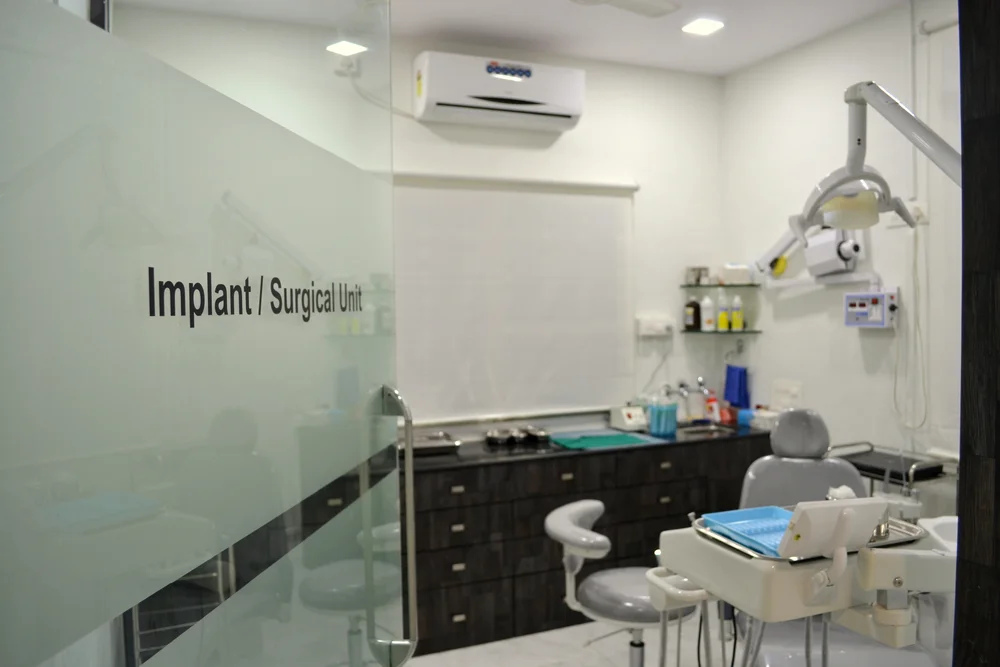
Dental Crowns & Bridges
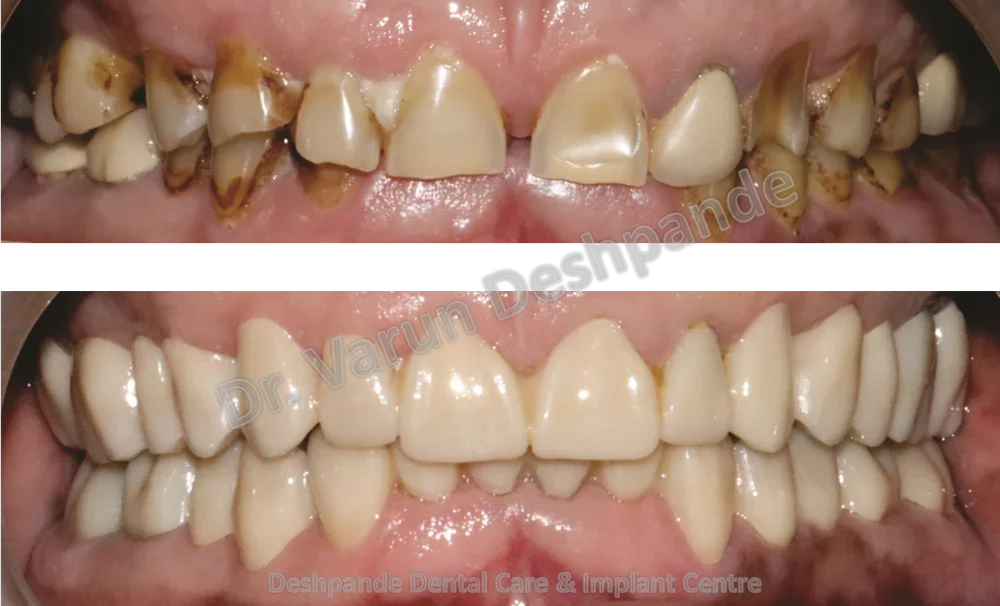
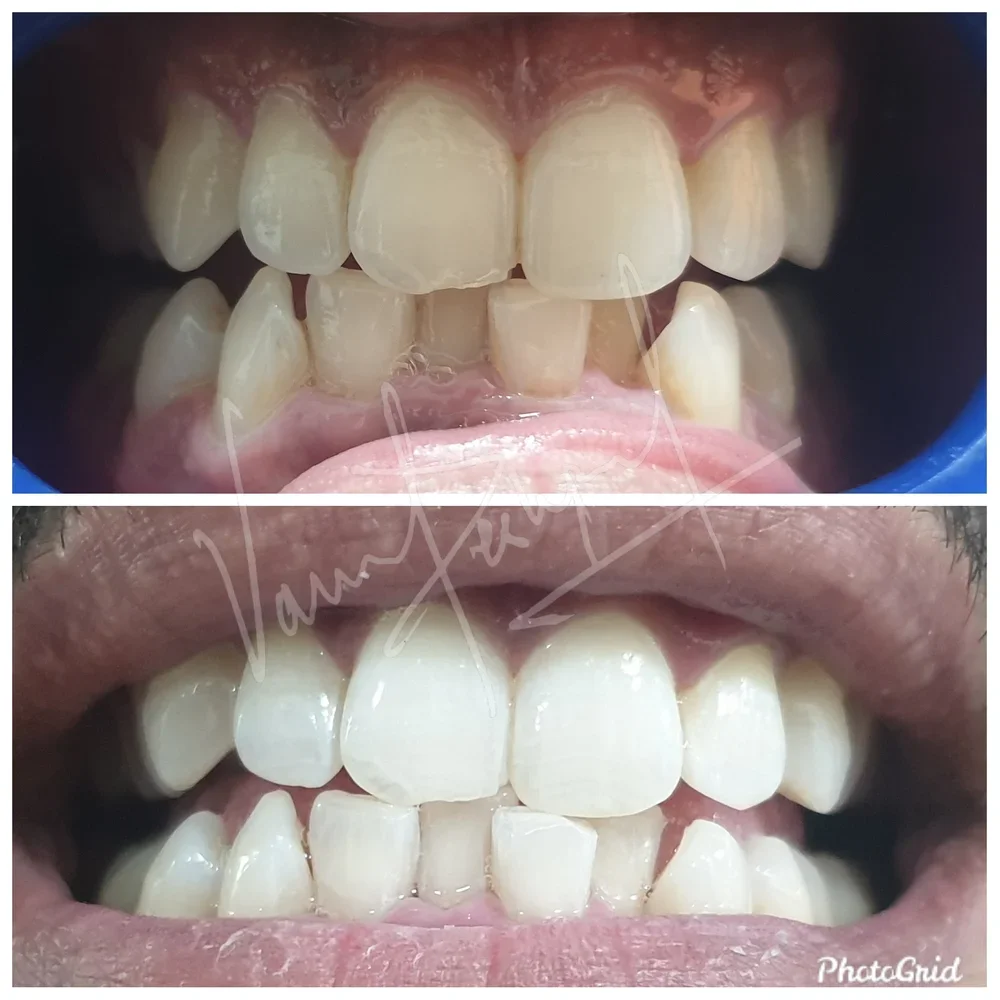
A dental crown covers and restores a broken or weakened tooth, while a traditional bridge fills the gap left by a missing tooth using the teeth on either side for support. At Deshpande Dental in Solapur, a prosthodontist (a dentist specialising in restoring and replacing teeth) with a specialist degree in crown and bridge work helps you decide whether a crown, a bridge, a filling or an implant is the right fix.
Reviewed by Dr. Varun Deshpande, MDS, .
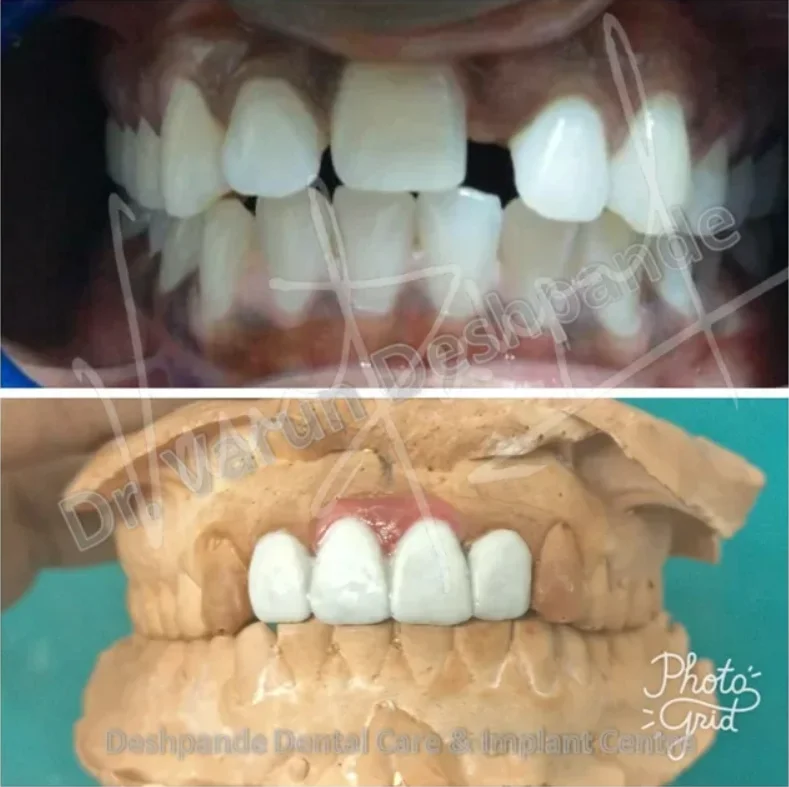
Dental crowns and bridges in Solapur: fixing a damaged tooth or a gap
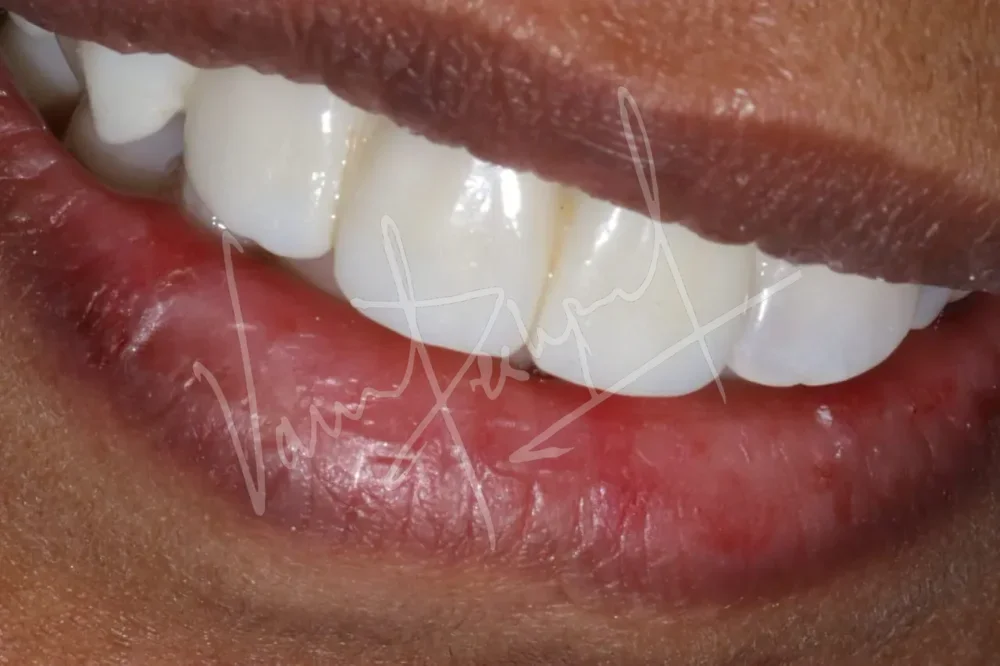
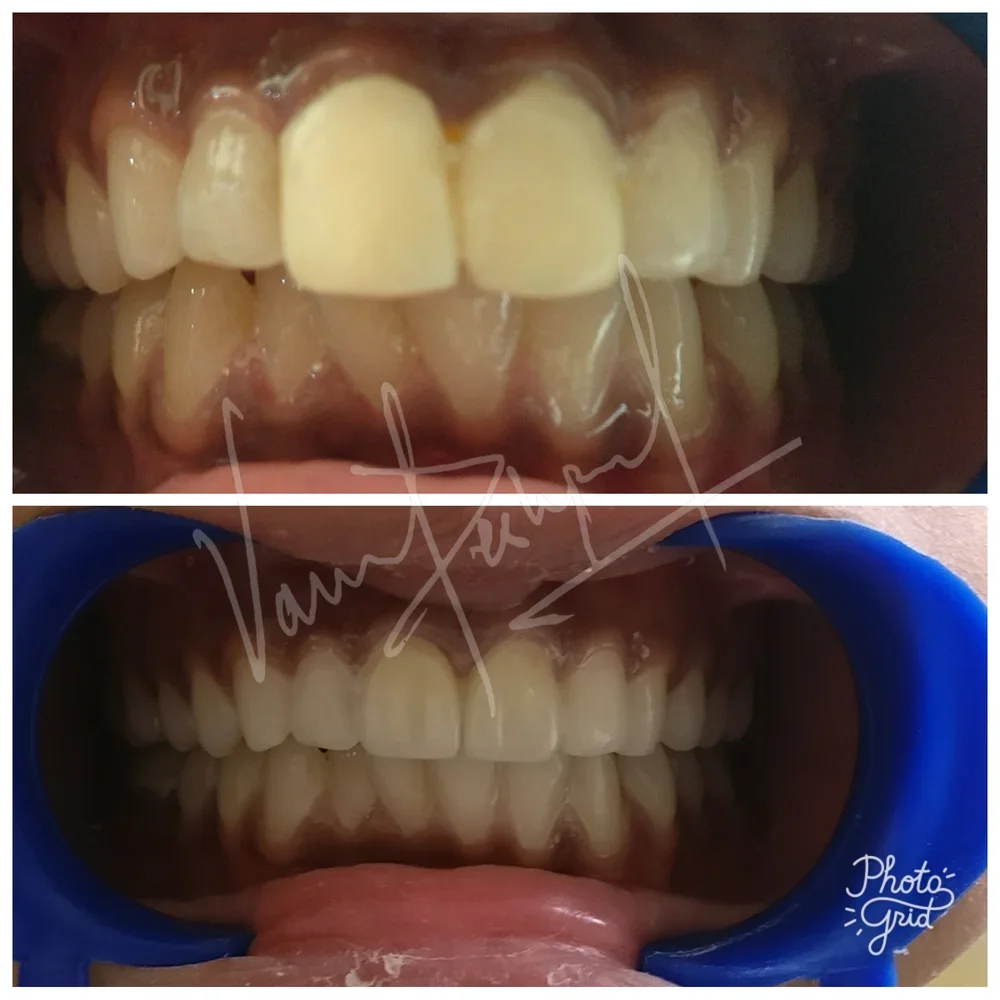
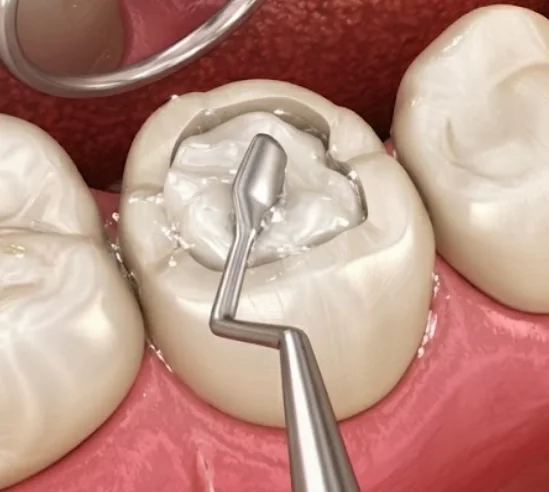
A broken tooth or a gap after losing one can make chewing awkward and change your smile. A crown, often called a cap, covers a prepared tooth to restore its shape and function. It can restore a tooth that is broken or badly weakened, for example by a large filling with little natural tooth left around it (ADA: crowns).
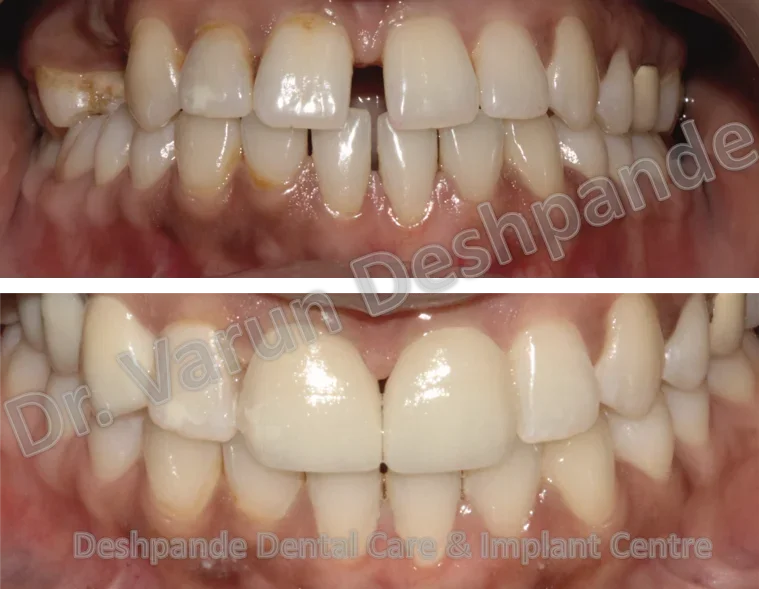
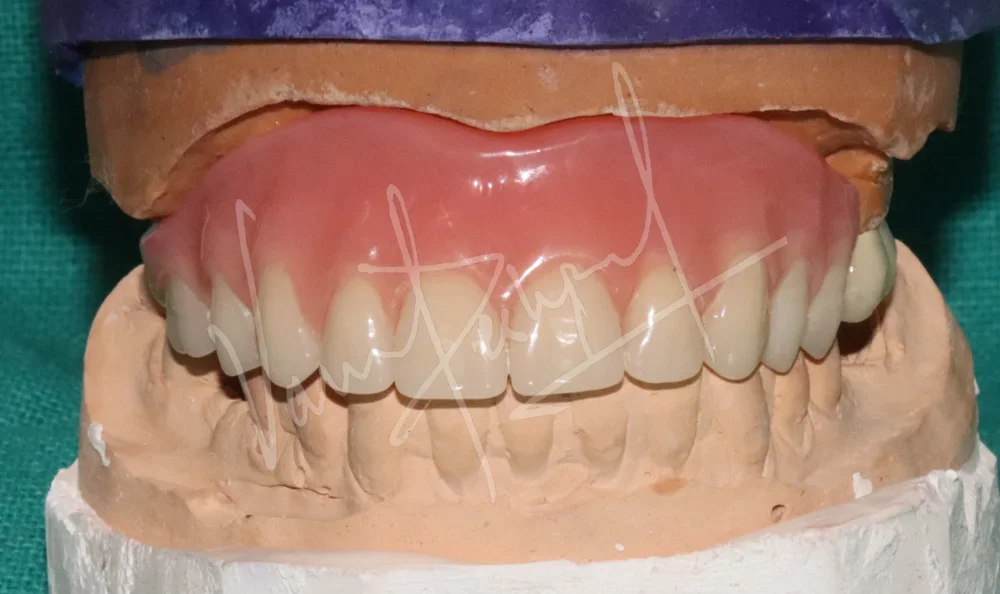
A bridge replaces a missing tooth. In a traditional bridge, the artificial tooth (called a pontic) is joined to crowns on the natural teeth on either side of the gap. Other bridge designs exist, with different ways of being supported. A fixed bridge stays in your mouth; you do not take it out yourself.
There is one honest trade-off to know from the start: preparing a tooth for a crown or bridge removes natural tooth structure, and that cannot be undone. That is why the decision is worth getting right.
Crown or filling: what does your tooth need?
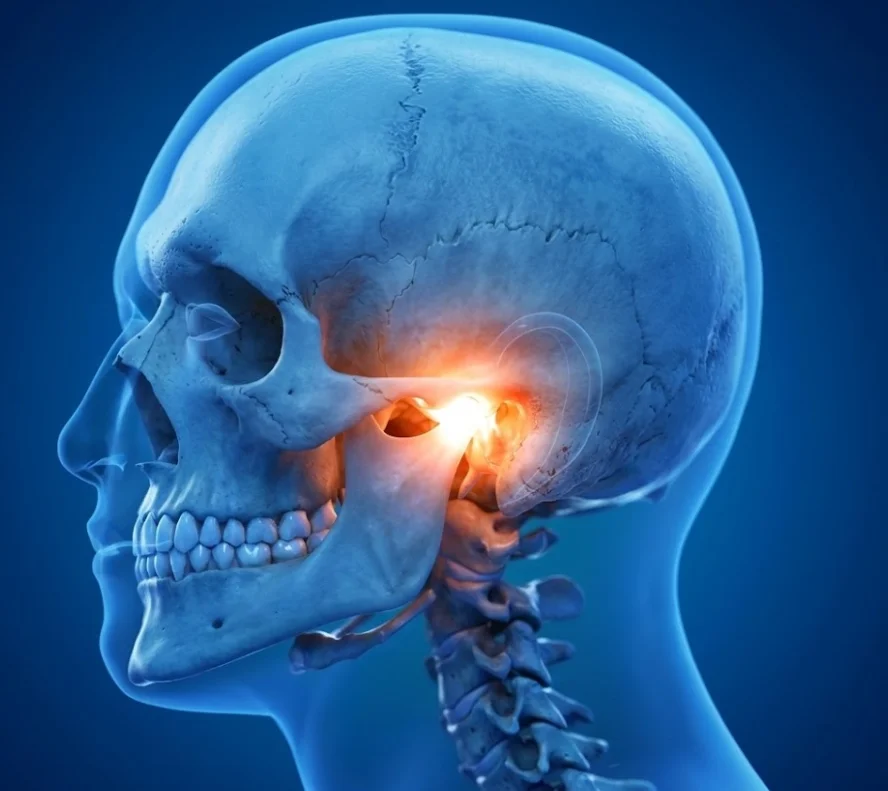
Before crowning a tooth, your dentist assesses decay risk, how well you can clean, gum health and your bite, because these affect whether a crown is suitable and how well it will do. Grinding or clenching (bruxism) can complicate planning, although it does not automatically rule a crown out (Leeds Teaching Hospitals NHS: crowns).
Some teeth can be rebuilt with a bonded tooth-coloured filling instead of a crown, when the damage and your bite allow. See tooth-coloured fillings.
Is a bridge the right way to replace a missing tooth?
The size of the gap, the condition of the neighbouring teeth and your gum health all influence whether a bridge suits you. A conventional bridge may be considered when the neighbouring teeth already have crowns or large fillings (Leeds Teaching Hospitals NHS: bridges).
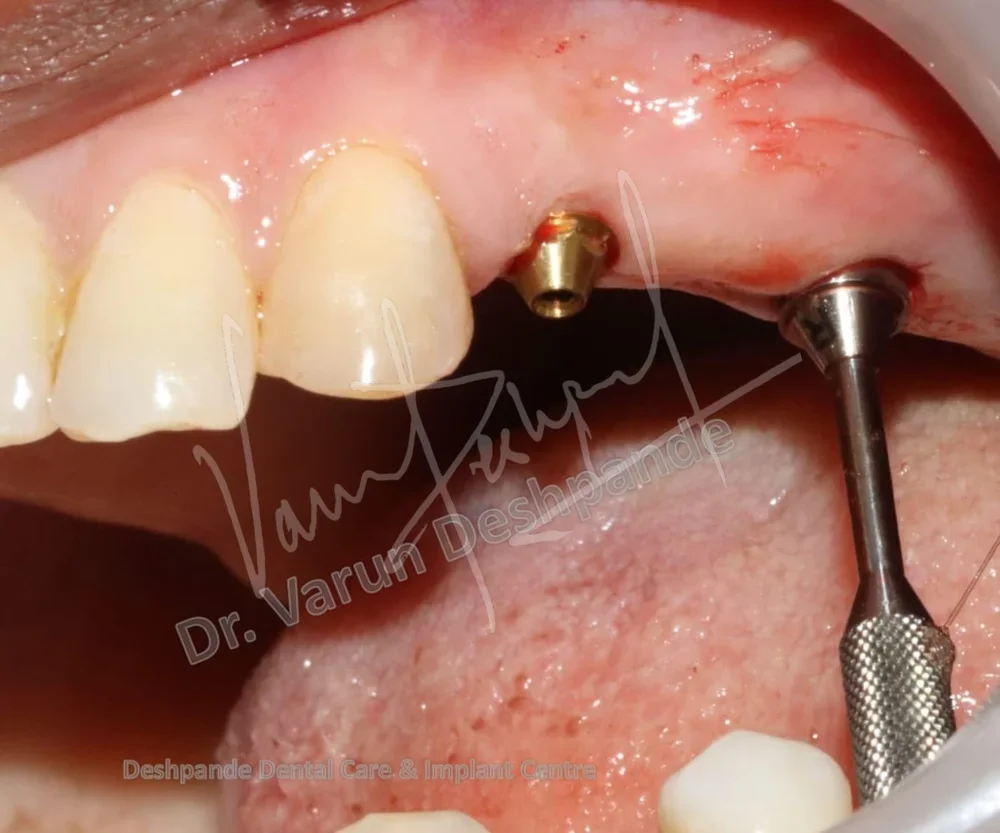
Alternatives include a dental implant, a removable partial denture or, in suitable cases, leaving the gap. The right choice depends on chewing, appearance and the risks of each option.
Why choose Deshpande Dental for crowns and bridges
- A specialist in this exact field. Dr. Varun Deshpande is a prosthodontist (a dentist specialising in restoring and replacing teeth) with an MDS in Prosthodontics, Crown & Bridge and Oral Implantology, so he can compare a crown, bridge or implant for your situation.
- Digital tools, used where appropriate. The clinic has an intraoral digital scanner; crowns can be made from digital scans or traditional impressions. It also has digital shade matching for choosing a tooth colour.
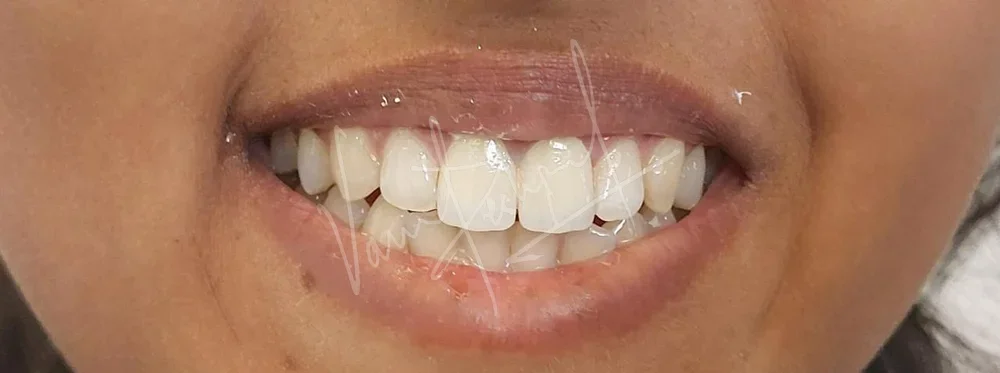
- Published restorative work. Our dentists have published clinical case reports, including a four-unit zirconia restoration for front teeth and closure of a front-tooth gap with lithium disilicate ceramic. Read them on our journals page.
- Three Solapur clinics, caring for patients since 2014.
Choosing a crown material
| Material | What it is |
|---|---|
| Full metal | An alloy that can contain gold, palladium, nickel or chromium; its metallic colour may be less acceptable where it shows |
| Porcelain fused to metal | Porcelain over a metal base |
| All-ceramic or all-porcelain | No metal base; porcelain may be considered for selected front teeth for appearance |
| Zirconia | A ceramic made from zirconium dioxide, either full-contour (monolithic) or a zirconia base with a layer of veneering porcelain |
| Lithium disilicate | A type of glass-ceramic |
Zirconia crowns and bridges are not made from one interchangeable material: zirconia products differ in translucency, strength and approved uses, and for a bridge the grade must match its design and length. A review of tooth-supported crowns and bridges found fewer chipping problems with monolithic zirconia than with porcelain-veneered zirconia, but most studies looked back at past cases with uneven follow-up, so it does not make any crown chip-proof (Clinical Oral Investigations review). Allergic reactions to crowns are uncommon but possible.
What to expect at your appointments
- Preparation. The tooth, or the supporting teeth for a bridge, is shaped. If you feel pain during treatment, tell your dentist so the numbing can be adjusted.
- Impression or scan. An impression or digital scan records the prepared tooth so the crown or bridge can be made.
- Fitting. The finished crown or bridge is tried in and checked for fit and comfort before it is cemented.
Some sensitivity can occur after preparation and fitting. Pain after a crown is fitted that keeps you awake at night should be checked by a dentist (Cleveland Clinic: dental crowns).
Risks and caring for crowns and bridges
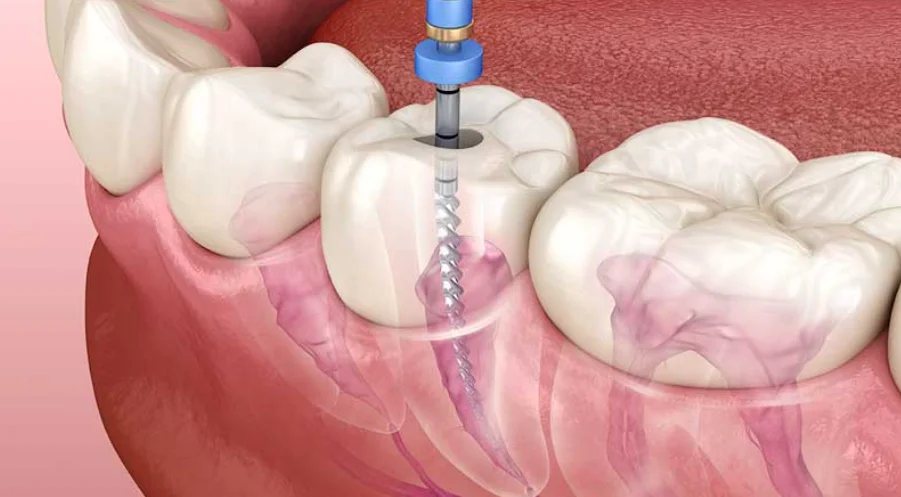
- Preparing a supporting tooth can injure its nerve (pulp), which may later need root canal treatment.
- Supporting teeth can still decay, fracture or develop gum problems, and a poorly fitting crown can trap bacteria and lead to decay in the tooth underneath.
- Brush with fluoride toothpaste, clean between your teeth every day and use suitable cleaning aids under the pontic of a bridge (Cleveland Clinic: dental bridges).
- Cut down on frequent sugar, avoid biting hard objects and keep regular check-ups.
How long a crown lasts varies with care and individual circumstances, so no fixed lifespan can be promised. Contact us if a crown feels loose, cracked or sharp, or if a bridge loosens, cracks or hurts when you chew.
What affects the cost of crowns and bridges
The cost depends on the number of teeth or bridge units, the material, and any treatment the tooth needs first. Ask for an itemised estimate after your examination, and book a consultation at Deshpande Dental in Solapur to find out whether a crown, a bridge or another option suits you.